Guy Clark – L.A. Freeway

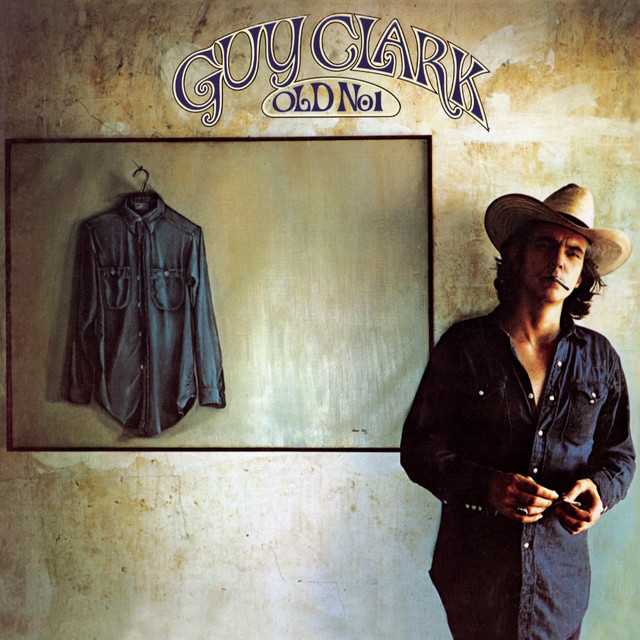
In the past couple of years, I’ve been listening to more and more of the Texas style singer/songwriters and I can’t get enough. I keep looking for more but there are a few I always come back to…Guy Clark, Townes Van Zant, Jerry Jeff Walker, and Steve Earle.  In 1975 Guy Clark released this song on his first album Old No. 1 and eventually released 13 studio albums. 

In the 1960s, Guy Clark tried his luck in the California music scene. He also built and repaired guitars and had a shop in San Francisco in 1969. In 1971 he was signed as a songwriter by Sunbury Music in Los Angeles, he decided to relocate to the company’s Nashville office in 1971. His arrival helped usher in a migration of new songwriting talent to the city.

Clark wrote this song while living in Los Angeles in the late 1960s. He and his wife, Susanna Clark, lived in a small, rundown apartment, and they felt out of place in the city. They wanted to leave Los Angeles and return to Texas, where he felt more at home.

The idea for the song reportedly came to Clark while he was driving on the freeway, scribbling lyrics on a paper bag. The line “pack up all your dishes, make note of all good wishes” showed his desire to escape the chaotic nature of L.A. at the time.

Jerry Jeff Walker was the first to record the song on his self-titled album in 1972. Walker’s version of this song peaked at #98 on the Billboard 100 so Walker popularized it. 

L.A. Freeway

Pack up all your dishesMake note of all good wishesAnd say goodbye to the landlord for meThat son of a bitch has always bored me

Throw out them LA papersAnd that mouldy box of vanilla wafersAdios to all this concreteGonna get me some dirt road back streets

If I can just get off ofI’ll be down the road in a cloud of smokeTo some land I ain’t bought, bought, bought

And it’s, here’s to you old skinny DennisThe only one I think I will missI can hear that old bass singingSweet and low, like a gift you’re bringing

Play it for me one more time, nowGot to give it all you we can nowI believe every thing you’re sayingAnd just to keep on, keep on playing

If I can just get off of this L.A. freewayWithout gettin’ killed or caughtI’ll be down the road in a cloud of smokeTo some land I ain’t bought, bought, bought

And you put the pink card in the mailboxLeave the key in the front door lockThey’ll find it likely as notI’m sure there’s somethin’ we have forgot

Oh Susanna, don’t you cry, babyLove’s a gift that’s surely handmadeWe got somethin’ to believe inDon’t you think it’s time we’re leavin’?

If I can just get off of this LA freewayWithout gettin’ killed or caughtI’ll be down the road in a cloud of smokeTo some land I ain’t bought, bought, bought

If I can just get off of this LA freewayWithout gettin’ killed or caughtDown the road in a cloud of smokeTo some land I ain’t bought

So pack up all your dishesMake note of all good wishesAnd say goodbye to the landlord for meThat son of a bitch has always bored me
Blaze Foley – Clay Pigeons

I always thought Blaze was a Texan but I was wrong…but technically that is where he made his mark in music. Blaze Foley (Michael David Fuller) was born in Malvern, Arkansas, but grew to be an important figure in the Texas outlaw country music scene. I started to listen to Foley’s songs and the strength of the lyrics has won me over. This was an interesting man. A documentary was made about him called “Duct Tape Messiah: Blaze Foley.” If you have time at some point, watch it. This documentary is based on a hell of a story.

Foley grew up in a musical family, moving frequently throughout the South. His parents were part of a gospel band, and he was exposed to music from a young age. The family’s traveling lifestyle and deep-rooted religious beliefs influenced Foley’s music.

Foley became a fixture in the Austin music scene in the 1970s and 1980s, where he befriended and collaborated with other songwriters, including Townes Van Zandt (he wrote a song about Foley after his death called Blaze’s Blues). His music was deeply personal, often reflecting his struggles with homelessness, addiction, and relationships. Despite his talent, Foley struggled to gain commercial success during his lifetime, partly due to his unpredictable behavior and refusal to compromise his artistic integrity. I do have a Townes Van Zandt story at the bottom.

This song gained a wider audience after being covered by several artists, most notably John Prine, who included it on his 2005 album Fair & Square. Prine’s version introduced the song to a broader audience and solidified its place in the Americana and folk music canon.

On February 1, 1989, Foley was tragically shot and killed at the age of 39 in Austin, Texas. He was trying to defend a friend, Concho January, from his violent son. Foley accused him of stealing January’s checks. Foley’s death was a big loss to the music community, and his life story has since been the subject of many articles, documentaries, and films.

He didnt’ gain popularity until after his death. He only released one 1984 studio album before his death and those tapes were confiscated by the DEA when the executive producer was caught in a drug bust. He also recorded one in 1980 but the tapes were stolen out of his car. He did get some singles released during the 80s but a lot of live and some studio material came out after he died. Some tribute albums have come out as well with other artists covering his songs. Artists such as Townes Van Zandt, Calvin Russell, Merle Haggard, Willie Nelson, Lucinda Williams, Timbuk 3 and many more.

Now the Townes Van Zandt Blaze Foley story. Blaze was known as The Duct Tape Messiah for the strappings that held his boots together. His life was disorderly, to say the least. He had said that when he died he wanted Townes to have his guitar. When Foley died, Van Zandt and his friends went for the guitar but found out that the late singer/songwriter had pawned the guitar among other things. Van Zandt told the Pawn Shop clerk that the guitar had been left for him and he was there to collect it. However, the clerk insisted that without a pawn stub, that transaction was impossible. So, along with the rest of Foley’s friends, they searched every possession (which wasn’t much) that the late musician had left behind. The pawn slip was nowhere to be found.

They figured out it must be in Foley’s front pocket in the suit he was buried in. Townes then borrowed a backhoe and dug his friend up. He went through his pockets and there it was…the pawn ticket. Van Zandt went straight to the pawn shop with the freshly dug-up stub and collected Foley’s guitar that he kept in his possession until he, too, passed away.

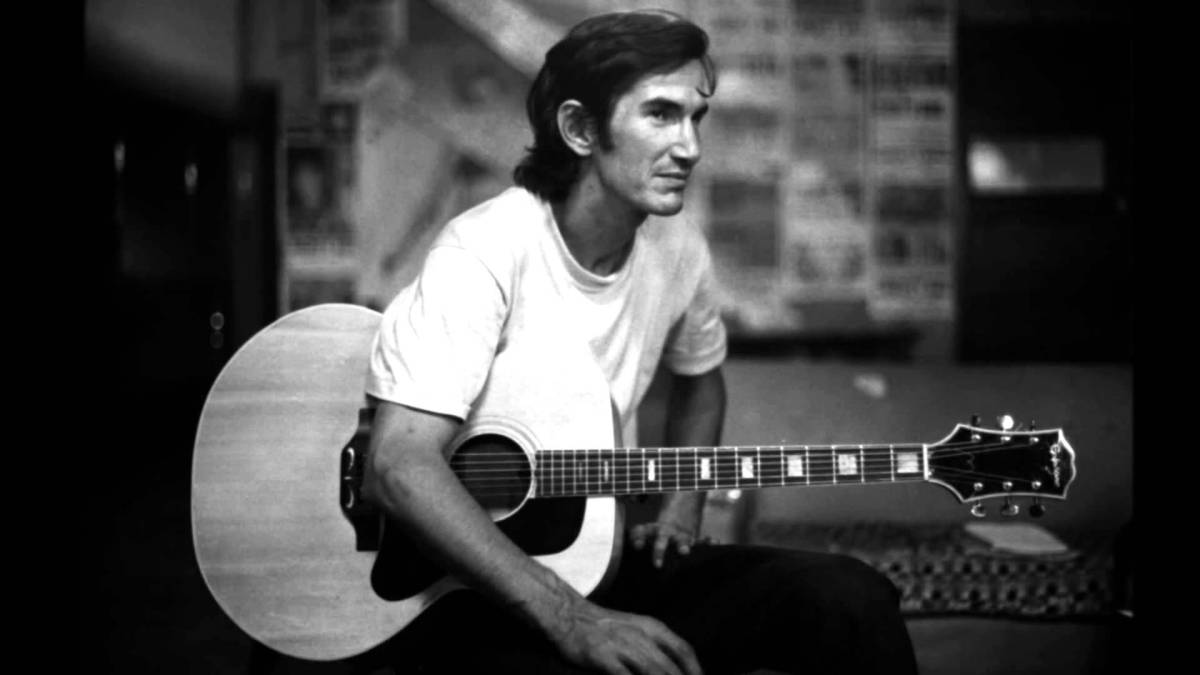
Now whether this was true or not I don’t know… but that is what the documentary is all about that I mentioned in the first paragraph. Here is a picture of Townes Van Zandt with Foley’s guitar.

As you see the duct tape...this was Blaze Foley's guitar.

Clay Pigeons

I’m goin’ down to the Greyhound stationGonna get a ticket to rideGonna find that lady with two or three kidsAnd sit down by her side

Ride ’til the sun comes up and down around me‘Bout two or three timesSmokin’ cigarettes in the last seatTryin’ to hide my sorrow from the people I meetAnd get along with it all

Go down where the people say y’allSing a song with a friendChange the shape that I’m inAnd get back in the game and start playin’ again

I’d like to stay, but I might have to goTo start over againMight go back down to TexasMight go to somewhere that I’ve never been

And get up in the mornin’ and go out at nightAnd I won’t have to go homeGet used to bein’ aloneChange the words to this songAnd start singin’ again

I’m tired of runnin’ ’roundLookin’ for answers to questions that I already knowI could build me a castle of memoriesJust to have somewhere to go

Count the days and the nights that it takesTo get back in the saddle againFeed the pigeons some clay, turn the night into dayAnd start talkin’ again when I know what to say

I’m goin’ down to the Greyhound stationGonna get a ticket to rideGonna find that lady with two or three kidsAnd sit down by her side

Ride ’til the sun comes up and down around me‘Bout two or three timesSmokin’ cigarettes in the last seatTry to hide my sorrow from the people I meetAnd get along with it all

Go down where the people say y’allFeed the pigeons some clayTurn the night into dayAnd start talkin’ again when I know what to say

ThanksIt’s called “Clay Pigeons”Anywhere I roam, there’s askThat’s rightRoad-hog didWe have a lot of requests, so we’re gonna do it anywayAin’t never had a lesson in his life, alright

Townes Van Zandt – Lungs

I’m learning more about Townes Van Zandt and you don’t have to search for great songwriting in his catalog. Just pull up any song and it’s usually a winner.  This is another song that makes songwriters sigh. Sunset diamonds roll across my memory and Clouds roll by and hide the tears I’m crying It’s so original and it’s like a great artist painting a masterpiece.

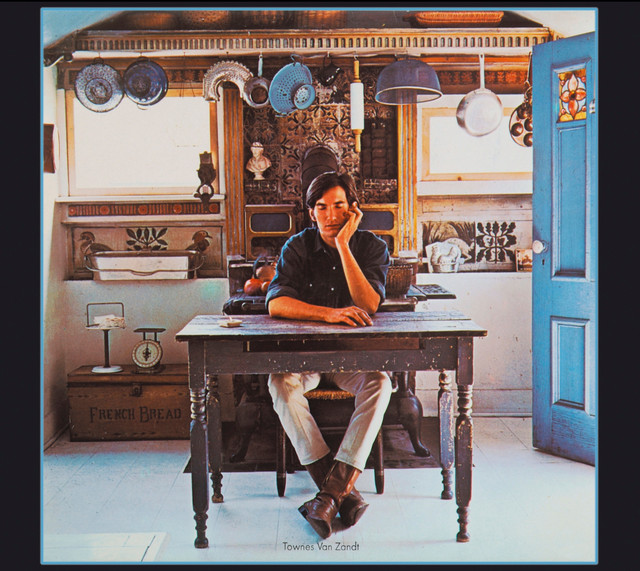
This song was on his self-titled 3rd album released in 1969. It was recorded at Bradley’s Barn in Nashville in July of 1969.

Townes Van Zandt 1969 Townes

Bradley’s Barn deserves its own post. It was owned by Owen Bradley and he recorded so many well-known artists such as Buddy Holly, Gene Vincent, Kitty Wells, Patsy Cline, Brenda Lee, Loretta Lynn, Lenny Dee, and Conway Twitty to name a few.

Steve Earle points out in a quote that Townes had walking pneumonia in New York and wrote this song based on that. Some sources say he got part of it when he was younger and he went through insulin shock therapy for manic depression. In that “treatment,” you would be shocked and have injections of insulin to put you in a coma daily. He lost much of his long-term memory from this treatment.

He came out of that far from cured. He had a fatalistic view of the world and holes in his memory. It very well could have caused some of his substance abuse and depression problems afterward.

It’s also said to be about coal miners, specifically about pneumoconiosis commonly known as Black Lung Disease.

Secondhandsongs has 22 versions of the song including the original.

Steve Earle: I’ve done it for a very, very long time and it’s one of my favorite Townes songs. The story I heard was that he was in New York and he had pneumonia, literally, just got walkin’ pneumonia. He was literally sick with a respiratory ailment. It’s literal past the poetic decimal point.   He was a bad-ass. The difference between Townes and Bob Dylan is, and this makes Townes a lot more radical to me in some ways, is Dylan was really heavily influenced by the same kinds of music, but lyrically he was influenced more by modern French poets and the Beats. Whereas Townes was much more influenced by old-school, conventional lyric poets like Robert Frost and Walt Whitman. And it’s cool, it’s where a lot of the uniqueness of his voice comes from. ‘Cause it is Lightnin’ Hopkins against Robert Frost, and it’s pretty startling.

Lungs

Well, won’t you lend your lungs to me?
Mine are collapsing
Plant my feet and bitterly breathe
Up the time that’s passing.
Breath I’ll take and breath I’ll give
Pray the day ain’t poison
Stand among the ones that live
In lonely indecision.

Fingers walk the darkness down
Mind is on the midnight
Gather up the gold you’ve found
You fool, it’s only moonlight.
If you try to take it home
Your hands will turn to butter
You better leave this dream alone
Try to find another.

Salvation sat and crossed herself
Called the devil partner
Wisdom burned upon a shelf
Who’ll kill the raging cancer
Seal the river at it’s mouth
Take the water prisoner
Fill the sky with screams and cries
Bathe in fiery answers

Jesus was an only son
And love his only concept
Strangers cry in foreign tongues
And dirty up the doorstep
And I for one, and you for two
Ain’t got the time for outside
Just keep your injured looks to you
We’ll tell the world we tried

Robert Earl Keen – The Road Goes On Forever

The road goes on forever and the party never ends

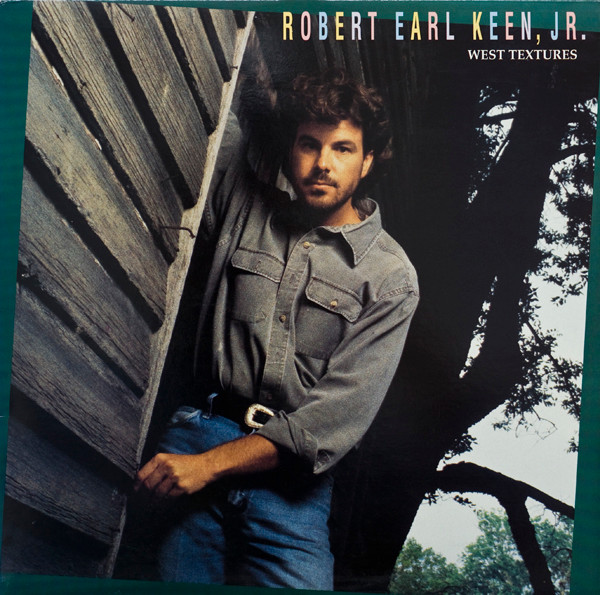
This is the kind of song that a songwriter dreams of writing and very few ever do. The Road Never Ends was released in 1989 on his second album West Textures. It has become Keen’s signature song. It’s a Bonnie and Clyde type of song framed by that chorus. I heard this song way back in the early nineties but was reminded of it in a comedy song of all things. Todd Snider with Beer Run .

Keen was born in Houston, Texas, and performed some concerts with the likes of Townes Van Zandt and Guy Clark. The song has been covered by Joe Ely, The Highwaymen, and Jack Ingram.

Keen grew up listening to Bob Wills’ Western swing, so he asked his parents for a fiddle. His frustration at trying to master it found him giving that up and trying an acoustic guitar…which worked out much better. He moved to Austin in 1978 and launched his professional career playing folk and bluegrass at night spots around town and other venues such as Gruene Hall in nearby New Braunfels.

Keen won the 1983 New Folk competition at the Kerrville Folk Festival which encouraged him to record his first album, No Kinda Dancer. In 1986 he headed for Nashville but less than two years he was back in Texas landscaping and trying to make a living. He kept playing and released a live album in 1988 and then this one in 1989. His popularity and influence grew after that.

He had a top 10 country album in 2001 called Gravitational Forces and his five next albums were in the top 21 in Country music and his last one called Happy Prisoner number 10 in 2015. Keen decided to retire and spend time with his family now.

This song has spawned a lot of tattoos.

Tattoo REK

The Road Goes On Forever

Sherry was a waitress at the only joint in townShe had a reputation as a girl who’d been aroundDown Main Street after midnight with a brand new pack of cigsA fresh one hangin’ from her lips and a beer between her legsShe’d ride down to the river and meet with all her friendsThe road goes on forever and the party never ends

Sonny was a loner he was older than the restHe was going into the Navy but he couldn’t pass the testSo he hung around town he sold a little potThe law caught wind of Sonny and one day he got caughtBut he was back in business when they set him free againThe road goes on forever and the party never ends

Sonny’s playin’ 8-ball at the joint where Sherry worksWhen some drunken outta towner put his hand up Sherry’s skirtSonny took his pool cue laid the drunk out on the floorStuffed a dollar in her tip jar and walked on out the doorShe’s runnin’ right behind him reachin’ for his handThe road goes on forever and the party never ends

They jumped into his pickup Sonny jammed her down in gearSonny looked at Sherry and said lets get on outta hereThe stars were high above them and the moon was in the eastThe sun was settin’ on them when they reached Miami BeachThey got a hotel by the water and a quart of Bombay ginThe road goes on forever and the party never ends

They soon ran out of money but Sonny knew a manWho knew some Cuban refugees that delt in contrabandSonny met the Cubans in a house just off the routeWith a briefcase full of money and a pistol in his bootThe cards were on the table when the law came bustin’ inThe road goes on forever and the party never ends

The Cubans grabbed the goodies and Sonny grabbed the JackHe broke a bathroom window and climbed on out the backSherry drove the pickup through the alley on the sideWhere a lawman tackled Sonny and was reading him his rightsShe stepped into the alley with a single shot .410The road goes on forever and the party never ends

They left the lawman lyin’ and they made their getawayThey got back to the motel just before the break of daySonny gave her all the money and he blew her a little kissIf they ask you how this happened say I forced you into thisShe watched him as his taillights disappeared around the bendThe road goes on forever and the party never ends

Its Main Street after midnight just like it was before21 months later at the local grocery storeSherry buys a paper and a cold 6-pack of beerThe headlines read that Sonny is goin’ to the chairShe pulls back onto Main Street in her new Mercedes BenzThe road goes on forever and the party never ends

Townes Van Zandt – Waiting Around To Die

Once in a while, I’ll listen to a song that is so good that it’s beyond a normal song. It happens when lyrics can tell a story just right..in a real down-to-earth way. Few fit in this category…this song does. Townes said it was the first song he ever wrote. If so…that would be like painting the Mona Lisa on your first try.

He lived in an apartment with his first wife Fran and he converted a walk-in closet into a studio. Fran said that he wrote the song in there and she was disappointed that he didn’t write a happy or a love song.

“Waitin’ Around to Die” was first recorded for Van Zandt’s 1968 studio debut called For the Sake of the Song. It’s a dark song that encapsulates the pain, despair, and struggle that can engulf a person’s life. It also foretold Van Zandt’s life and ending in a lot of ways.

Townes was diagnosed with depression in his sophomore year of college. His father, Harris Williams Van Zandt, was a corporate lawyer. Townes tried to follow in his footsteps but dropped out of school to become a musician. Earlier in grade school, his friend Guy Clark said that Van Zandt found out that the sun was slowly burning out. Clark thinks that after that he didn’t take much seriously in life.

He was born John Townes Van Zandt in Fort Worth, Texas, into a wealthy oil family whose prestige was known throughout the state. His great-great-grandfather Khleber Miller Van Zandt became president of both a construction company and a bank, the Fort Worth National Bank. Khleber’s own dad, Isaac Van Zandt, was a leader of the Republic of Texas. Van Zandt County, located in the northeastern part of the state, was named for Isaac in 1848.

Townes Van Zandt died on New Year’s Day in 1997 at age 52, exactly 44 years after the death of his idol, Hank Williams.

Townes Van Zandt: “I talked to this old man for a while, and he kinda put out these vibrations.  I was sitting at the bar of the Jester Lounge one afternoon drinking beer, thinking about him, and just wrote it down …..Sometimes I don’t know where this dirty road is taking me/Sometimes I can’t see the reason why/But I guess I’ll keep rambling/Lots of booze and lots of gambling/Well, it’s easier than waitin’ round to die.”

Townes Van Zandt:  “I have a few others like that that I don’t play all the time. I have to watch that when I do shows. I have to stay away from that side because nobody wants to hear blues on blues on blues.”

Waiting Around To Die

Sometimes I don’t know where
This dirty road is taking me
Sometimes I don’t even know the reason why
But I guess I keep a-gamblin’
Lots of booze and lots of ramblin’
Well it’s easier than just a-waitin’ around to die

One time, friends, I had a ma
I even had a pa
Well he beat her with a belt once ’cause she cried
She told him to take care of me
Headed down to Tennessee
Well it’s easier than just a-waitin’ around to die

Well I came of age and I found a girl in a Tuscaloosa bar
She cleaned me out and hit in on the sly
I tried to hide the pain, I bought some wine and hopped a train
Well it’s easier than just waitin’ around to die

A friend said he knew
Where some easy money was
We robbed a man, and brother did we fly
The posse caught up with me
And drug me back to Muskogee
Two long years waitin’ around to die

Well, now I’m out of prison
I got me a friend at last
Well he don’t drink or steal or cheat or lie
His name’s codeine
He’s the nicest thing I’ve seen
Yah, together we’re gonna wait around and die
Yah together we’re gonna wait around and die