

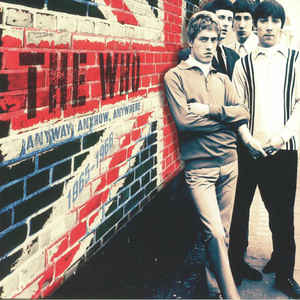
These sixties singles by the Who are so exciting. They sounded different from their peers and were cutting their own path. This was The Who’s second single. It was the follow-up to I Can’t Explain. When this was sent to their American record label to distribute, they sent it back, assuming the feedback meant there was something wrong with it.
Townshend turned what most engineers considered a mistake into an instrument. Those piercing squeals and roars mid-song weren’t accidents; they were the sound of pop music evolving in real time. The Who didn’t want to sound clean or polite; they wanted to sound like the inside of a jet engine, and they nailed it.
The Who’s early singles like Can’t Explain, The Kids Are Alright, Substitute, I’m A Boy, and A Legal Matter don’t get the airplay that their later music does. They were innovative at the time with feedback, distortion, and Moon’s aggressive drumming.
Townshend later said the song was about personal freedom, and that’s exactly what it feels like. The right to be loud, to be different, to not apologize for who you are. You can trace the line from this track straight through to everything that came after: The Jam, The Clash, The Raspberries, Big Star… all carrying that same spark of defiance.
This song was written by Pete Townshend and Roger Daltrey. It was one of the few times they wrote together. Super session man Nicky Hopkins was on the piano.
The song peaked at #10 in the UK in 1965.
Roger Daltrey: ‘Anyway, Anyhow, Anywhere’ was the first song when we attempted to get that noise onto a record and that was a good deal of time before Hendrix had even come to England, the American pressing plant sent it back thinking it was a mistake. We said, ‘No, this is the f—ing noise we want. CUT IT LOUD!'”
“We were doing this feedback stuff, even before that. We’d be doing blues songs and they’d turn into this freeform, feedback, jazzy noise. Pete was getting all these funny noises, banging his guitar against the speakers. Basically, the act that Hendrix is famous for came from Townshend, pre-‘I Can’t Explain.'”
Anyway, Anyhow, Anywhere
I can go anyway, way I choose
I can live anyhow, win or lose
I can go anywhere, for something new
Anyway, anyhow, anywhere I choose
I can do anything, right or wrong
I can talk anyhow, and get along
Don’t care anyway, I never lose
Anyway, anyhow, anywhere I choose
Nothing gets in my way
Not even locked doors
Don’t follow the lines
That been laid before
I get along anyway I dare
Anyway, anyhow, anywhere
I can go anyway, way I choose
I can live anyhow, win or lose
I can do anything, for something new
Anyway, anyhow, anywhere I choose
(Oooh) anyway
(Oooh) Anyway I choose, yeah
(Oooh) Anyway I want to go
(Oooh) I want to go ‘n do it myself
Do it myself
Do it myself, yeah
Anyway, way I choose
Anyway I choose
Yeah, yeah
Ain’t never gonna lose the way I choose
The way I choose
The way I choose
 PowerPop... An Eclectic Collection of Pop Culture