

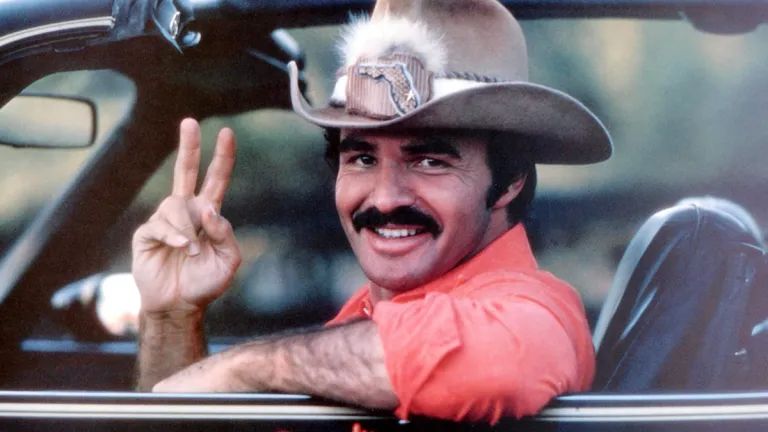
I wanted to do something fun today…not exactly a thinking man’s movie, but fun.
I ran across a trailer for this on YouTube and ended up watching the movie again. Yes, I know this isn’t exactly Citizen Kane or the most sophisticated movie, but it does have redeeming qualities. This movie was released in the era of Jaws, Star Wars, and many more classics. It’s still remembered today very highly. It is not a movie that is going to make you think…it’s just going to entertain you, which is what movies are for. There are no hidden messages, just pure fun.
In the mid-1970s, Coors beer had a near-mythic reputation east of the Mississippi. It was not widely distributed nationwide, and it was famously unpasteurized, meaning it had to stay cold and be delivered fast. To people back east, Coors was contraband. The movie goes into this perfectly, turning a real-world distribution quirk into the ultimate outlaw challenge.
The entire plot kicks off with a simple outlaw wager: haul a truckload of Coors beer from Texas to Georgia in under 28 hours, back when the unpasteurized beer couldn’t legally be sold east of the Mississippi. The Snowman (Jerry Reed) drives the rig loaded with ice-cold contraband, while the Bandit (Burt Reynolds) races ahead in his black Trans Am, using speed and nonstop CB chatter to lure every lawman in the region away from the Coors. It was a game of misdirection and bravado, with Sheriff Buford T. Justice closing in, all for the satisfaction of proving that sometimes the best reason to. Along the way, Bandit picks up “frog” (Sally Field), a bride who just ran out of a wedding with Bufford T Justice’s son.
Burt Reynolds was in his prime during this stretch. A lot of guys grew the mustache, and their hair was black. My dad had the same look as Reynolds at this time. He had already been in many successful movies, including Gator, Deliverance, W.W. and the Dixie Dancekings, The Longest Yard, and more. At this time, he was one of the biggest, most recognizable movie stars on the planet.
The public mostly adored Reynolds, but the critics did not like him. He had a charisma about him that he had at the beginning when he was on Gunsmoke for 3 years. Sally Field was also in this movie, and she played her part perfectly. The Flying Nun to “Sybil” or “Frog” in this movie is quite a stretch. She was one of my first crushes as a young boy, and in this film, that crush was only strengthened.
I guess one reason I love this movie is that it doesn’t pretend to be anything more than it is. It doesn’t aspire to great movie-making. It was just supposed to be 90 minutes of entertainment on the big screen, and it’s still entertaining. Turn your brain off for a while and have fun with it. It rolled into theaters and straight through American pop culture. Jackie Gleason’s Sheriff Buford T. Justice is the perfect comic counterweight to Bandit, loud and absolutely unhinged. Add Sally Field’s runaway bride with attitude and Jerry Reed’s snowman trucker charisma, and you’ve got a cast that clicks like a great bar band.
If you want Gone With The Wind, Citizen Kane, Casablanca, or Lawrence of Arabia…you have come to the wrong movie, but give it a chance and have some fun. Oh, I forgot Fred, the lovable Basset Hound dog in this movie, he was chosen by Burt Reynolds because the dog wouldn’t obey commands, adding to his character as Snowman’s independent but loyal companion.
…








 PowerPop... An Eclectic Collection of Pop Culture