Pretenders – Kid

I’ve been a Pretenders fan since I heard Brass in Pocket when it was released. Although I would spend a long time tracking down the name of it. In the 1980s, you could count on them to release something good and not the standard top 40 music. Chrissie Hynde had more grit in her singing than most of her male and female peers. She wasn’t here to sing you a pretty song; she meant business.

The original band was something special. The members were James Honeyman-Scott (lead guitar, backing vocals, keyboards), Pete Farndon (bass guitar, backing vocals), and Martin Chambers (drums, backing vocals, percussion)…and of course Chrissie Hynde. To convince guitarist James Honeyman-Scott to join The Pretenders, Chrissie Hynde hired one of his favorite recording artists, Nick Lowe, to produce the song Stop Your Sobbing, an album cut of The Kinks. Chris Thomas would go on to produce all the other songs on the album.

When the Pretenders burst onto the scene in 1979, they didn’t arrive with punk guitars (although the spirit was there). They were armed with mostly Hynde’s melodic songs. Chrissie Hynde was a new kind of female rock vocalist, vulnerable and dangerous all at once. She was/is a badass but still relatable. This song was the band’s second single in 1979 and was included on their 1980 debut album. It is a great slice of power pop that blends jangly guitars, melodic melancholy. I love James Honeyman-Scott’s intro guitar run; it makes the song for me. It’s very obvious why Chrissie wanted him in the band.

Hynde has stated the song is about a woman who works in “the game” (prostitution) to get by, and her sadness when her child learns the truth about what she does. Following the 1981 Pretenders album Pretenders II, two of the four band members, Pete Farndon and James Honeyman-Scott, died of drug overdoses, leaving just Hynde and drummer Martin Chambers, who remained the mainstays in the band amongst a rotating cast of guitarists and bass players through the 1980s.

The song peaked at #33 in the UK in 1979.

Kid

Kid, what changed your mood?You got all sad, so I feel sad tooI think I knowSome things you never outgrow

You think it’s wrongI can tell you doHow can I explainWhen you don’t want me to?

Kid, my only kidYou look so small, you’ve gone so quietI know you know what I’m aboutI won’t deny it

But you forgetYou don’t understandYou’ve turned your headYou’ve dropped my hand

All my sorrowAll my bluesAll my sorrow

Shut the lightGo awayFull of graceYou cover your face

Kid, precious kidYour eyes are blue, but you won’t cry, I knowAngry tears are too dearYou won’t let them go

Parliament Funkadelic – Give Up The Funk (Tear The Roof Off the Sucker)

Ow, we want the funk
Give up the funk

I’ve always liked funk music, but I haven’t heard a lot of it as much as other types of music. Posting the Meters a few weeks ago gave me the urge to listen to more. Where else would I go other than to follow fellow bassist Bootsy Collins? He most certainly brought the funk and runs on the bass that were incredible. 

The opening alone feels like a giant neon sign flickering to life: FUNK DELIVERED HERE, with Bootsy Collins’ bass out walking and running amok. George Clinton started this band, but when I hear them, I can’t help but think of Collins. Maybe it’s the bass player in me. 

Before the stage costumes, before Bootsy’s star-shaped bass, George Clinton was running a humble doo-wop group out of a New Jersey barbershop. That is where the so-called P-Funk universe first sparked to life. In the late 1950s Clinton worked as a hairdresser in Plainfield, New Jersey, and formed a vocal group called The Parliaments. Inspired by groups like Frankie Lymon & The Teenagers, their sound leaned closer to street-corner harmonies and teenage heartbreak rather than spaced-out funk. They spent their early years cutting singles for small labels, chasing a hit, and stacking harmonies with tight choreography.

Their first real breakthrough came in 1967 with the single “(I Wanna) Testify“, which scraped the charts and gave the group national attention. But success came tangled in bad contracts, which would later force Clinton to get creative with band names. After hearing Psychedelic Soul, Clinton began to shift toward that kind of music in the late 1960s under the name Funkadelic, as he had temporarily lost the rights to the name Parliaments. Funkadelic allowed Clinton to push into psychedelic territory, influenced by Hendrix, Sly Stone, and Cream. The debut Funkadelic album arrived in 1970, and suddenly the group had two separate identities. Later on, after he got the name back, he combined the bands, and they were known as P-Funk. 

What really sparked this band was former James Brown bass player Bootsy Collins, when he joined in 1972. His brother, guitarist, Phelps “Catfish” Collins, was already in the band. This guy is a fantastic bass player, and there isn’t much better than him. This song became Parliament’s first million-selling single and remains one of the most recognizable funk tracks ever cut. It was played in discos, block parties, roller rinks, sports arenas, on the radio, and later, hip-hop sampling culture.

This album was called The Mothership Connection (Clinton was a huge Star Trek fan) peaked at #13 on the Billboard Album Charts and #4 on the R&B album charts. The song peaked at #15 on the Billboard 100 in 1975. 

Give Up The Funk (Tear The Roof Off the Sucker)

Tear the roof off, we’re gonna tear the roof off the mother sucker
Tear the roof off the sucker
Tear the roof off, we’re gonna tear the roof off the mother sucker
Tear the roof off the sucker
Tear the roof off, we’re gonna tear the roof off the mother sucker
Tear the roof off the sucker
Tear the roof off, we’re gonna tear the roof off the mother sucker
Tear the roof off the sucker

You’ve got a real type of thing going down, gettin’ down
There’s a whole lot of rhythm going round
You’ve got a real type of thing going down, gettin’ down
There’s a whole lot of rhythm going round

Ow, we want the funk
Give up the funk
Ow, we need the funk
We gotta have that funk
Ow, we want the funk
Give up the funk
Ow, we need the funk
We gotta have that funk

You’ve got a real type of thing going down, gettin’ down
There’s a whole lot of rhythm going round
You’ve got a real type of thing going down, gettin’ down
There’s a whole lot of rhythm going round

Ow, we want the funk
Give up the funk
Ow, we need the funk
We gotta have that funk
Ow, we want the funk
Give up the funk
Ow, we need the funk
We gotta have that funk

We’re gonna turn this mother out

You’ve got a real type of thing going down, gettin’ down
There’s a whole lot of rhythm going round
You’ve got a real type of thing going down, gettin’ down
There’s a whole lot of rhythm going round
You’ve got a real type of thing going down, gettin’ down
There’s a whole lot of rhythm going round
You’ve got a real type of thing going down, gettin’ down
There’s a whole lot of rhythm going round

Ow, we want the funk
Give up the funk
Ow, we need the funk
We gotta have that funk
Ow, we want the funk
Give up the funk
Ow, we need the funk
We gotta have that funk

Ow, we want the funk
Give up the funk
Ow, we need the funk
(Let us in, we’ll tear this mother out)
We gotta have that funk
Ow, we want the funk
Give up the funk
Ow, we need the funk
(Let us in, we’ll tear this mother out)
We gotta have that funk

Ow, we want the funk
Give up the funk
Ow, we need the funk
We gotta have that funk
Ow, we want the funk
Give up the funk
Ow, we need the funk
We gotta have that funk
Ow, we want the funk
Give up the funk
Ow, we need the funk
We gotta have that funk

(We’re gonna turn this mother out)
Ow, we want the funk
Give up the funk
(We’re gonna turn this mother out)
Ow, we need the funk
We gotta have that funk
(We’re gonna turn this mother out)
Ow, we want the funk
Give up the funk
(We’re gonna turn this mother out)
Ow, we need the funk
We gotta have that funk

Ow, we want the funk
Give up the funk
Ow, we need the funk
(Let us in, we’ll tear this mother out)
We gotta have that funk
Ow, we want the funk
Give up the funk
Ow, we need the funk
(Let us in, we’ll tear this mother out)
We gotta have that funk

We want the funk
Give up the funk
We need the funk
We gotta have that funk
We want the funk
Give up the funk
We need the funk
We gotta have that funk
We want the funk
Give up the funk
We need the funk
We gotta have that funk

(You’ve got a real type of thing going down, gettin’ down)
(There’s a whole lot of rhythm going round)
You’ve got a real type of thing going down, gettin’ down
There’s a whole lot of rhythm going round
You’ve got a real type of thing going down, gettin’ down
There’s a whole lot of rhythm going round

Ow, we want the funk
Give up the funk
Ow, we need the funk
(Let us in we’ll tear this mother out)

Kolchak: The Night Stalker – The Energy Eater

December 13, 1974 Season 1 Episode 10

If you want to see where we are…HERE is a list of the episodes.

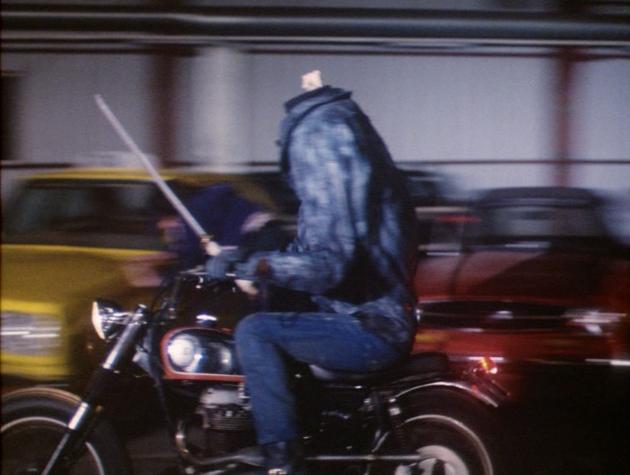
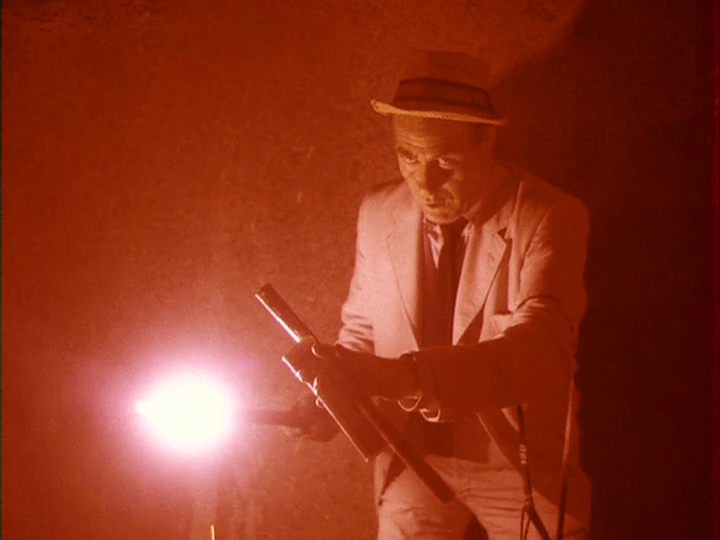
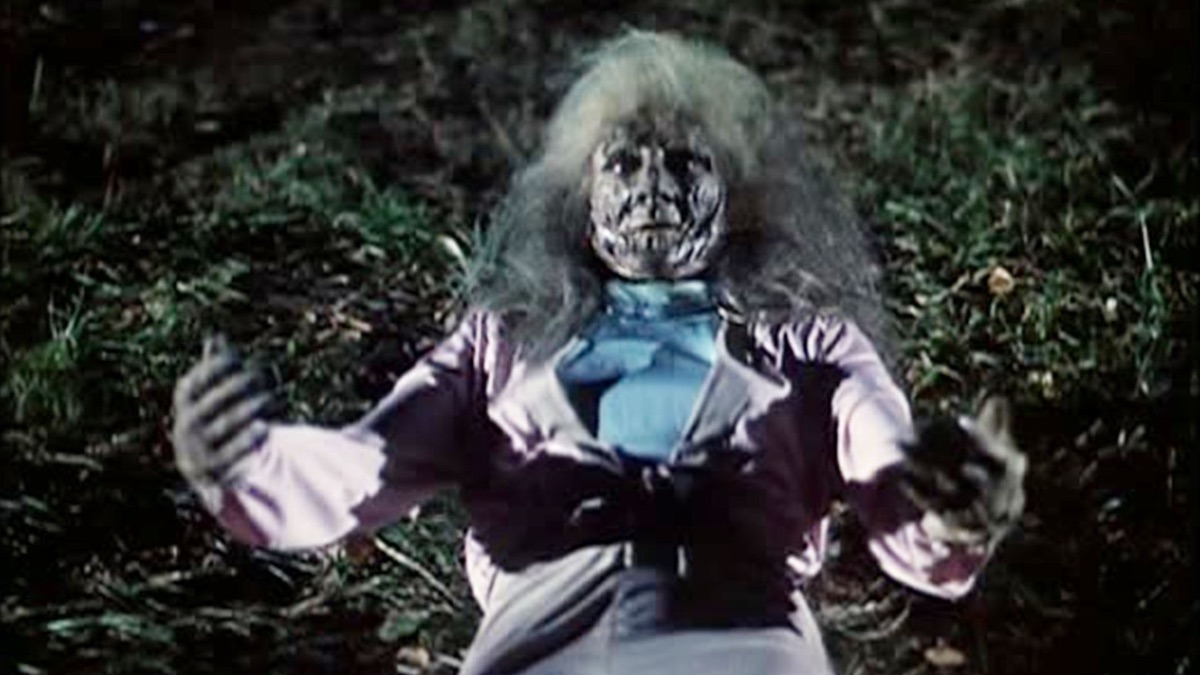
Episode 10 is the halfway point! By the time “The Energy Eater” aired, Kolchak: The Night Stalker had already faced vampires, swamp monsters, and ancient spirits, but this one took a turn into urban mythology with a sci-fi twist. The setting is a newly built hospital in Chicago, plagued by strange power failures, mysterious deaths, and collapsing foundations. Kolchak, sensing something supernatural, soon discovers that the hospital was built on the site of an ancient Native American burial ground, never a good idea in 1970s horror or in real life, for that matter.

This episode is not as good as the previous episode, The Spanish Moss Murders, or the next superb one, Horror in the Heights, but it offers something different. What makes this episode different is that for the first and last time, Kolchak has a real team behind him. He has not one but two sidekicks in this episode. It was nice to see Kolchak get support instead of just being thrown out of meetings by the police.

One was a tough but helpful construction boss and Native American shaman Jim Elkhorn (a marvelously warm and engaging performance by  B-movie William Smith), who assists Kolchak in combating a powerful ancient Native American spirit called the Matchemonedo (This creature is based on a spirit from Potawatomi lore) that’s terrorizing a newly opened hospital built over its resting place. The other was Nurse Janis Eisen (the beautiful Elaine Giftos, whom I remember from Barney Miller). Both are quality characters, and you can sense their camaraderie.

It’s creepy, clever, and grounded in the struggle between progress and the past. Just another night in Chicago for the reporter who always finds trouble that no one will believe. He’s the only reporter who can connect Indian folklore, power surges, and modern construction mishaps into one believable headline, if only anyone believed him. One scene I really liked is when Kolcahk mentions Matchemonedo to his boss. He was smart enough this time not to explain this because Tony would never believe it. Instead, he said that Matchemondo was a Cuban fighter.

Next week’s episode is below this video!

For Next Week’s Episode...here is the link.

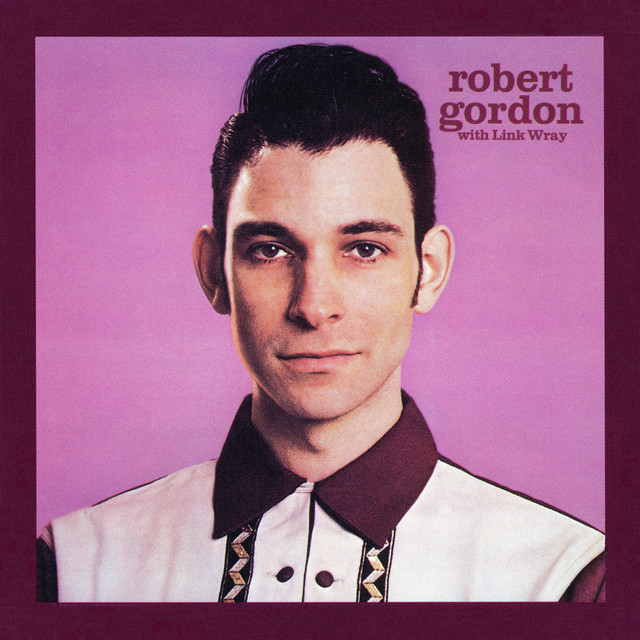
Link Wray – Link Wray …album review

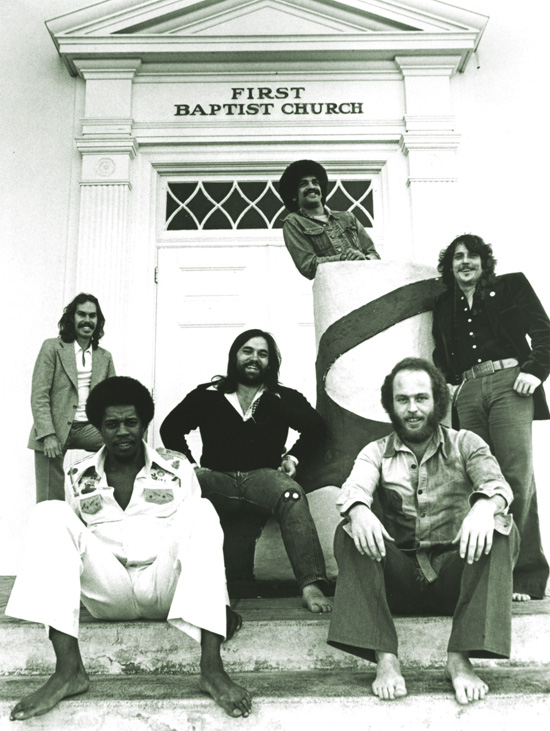
I was really taken aback when I saw this album. I played it, expecting an instrumental, and when I heard a voice, I thought it was a different singer. When I think of Link Wray, I think of Rumble and instrumentals like that. I was surprised when I found this roots album by him, recorded in 1971. I want to thank Lisa for posting something that made me think of this rare Link Wray album.

After serving in the military, Wray contracted tuberculosis and lost a lung, which made singing difficult, and doctors advised him against it. Because of his breathing difficulties, Wray began to focus more on expressive and experimental guitar playing, leading him to become known for his instrumental hits. Wray was a Native American of Shawnee descent. He grew up in North Carolina. Wray later honored his heritage in his music, with songs like Apache and Comanche.

This album was recorded in a converted chicken shack. His brother, Ray Vermon Wray, helped produce it along with Bob Feldman and Steve Verroca. Instead of power chords and a leather jacket, Link traded distortion for Americana, funk, gospel, and storytelling. It was earthy, roots-driven, and deeply personal, almost a different artist altogether from the one I thought I knew. After being freed from label pressures, Link finally made the music he grew up with: gospel from church revivals, Native American rhythms from family heritage, country blues, and Southern soul.

There were still guitars, but now they sat behind the songs instead of smashing through them. Tracks like Fire and Brimstone, Juke Box Mama, and Ice People feel like they were born out of the dirt. The grooves are loose, almost like field recordings. His voice, rarely heard on record before this, carries a soulful and weathered sound. He didn’t sound like a rock guitarist trying to sing; he sounded like a weathered preacher who happened to play guitar.

You hear old-time country on Take Me Home Jesus, boogie on God Out West, and Native rhythms driving Black River Swamp. No other rock guitarist of his generation made anything remotely like this. Only one song retains his old tone, and that’s the intro to Tail Dragger. If anything, it pointed the way decades later for artists like Los Lobos and the entire alt-country movement. If you want to hear some authentic Americana, listen to this album.

Polydor gave the album a shot, but the public wanted Link the guitar guy, not Link the backwoods Americana prophet. Sales were modest, and critics were divided. However, like many records that were too authentic for their time, it grew in legend over time. Today, many fans call the 1971 album his true masterpiece

Black River Swamp

I was born down in the countryDown where the cotton growsTurnin’ off the main highwayGoin’ down that country road

There’s a place down in the countryWhere the pine trees grow so tallWalk across that old log bridgeStretching ‘cross Black River Swamp

I can hear them bullfrogs croakingIn the blackness of the nightCalling me back to my childhoodDown here in Black River Swamp

Saw my name carved on a big oak treeDown there by the fishing holeAnd the smell of old Black RiverWhere the waters are deep and cold

I can hear the hound dogs howlin’Chasin’ that old fox where I used to roamDown there in the countryCallin’ me to Black River Swamp

I can hear them hound dogs howlin’Chasin’ that old fox where I used to roamDown there in the countryCallin’ me to Black River Swamp

I was born in the countryDown where the cotton growsTurnin’ off the main highwayGoin’ down that country road

There’s a place down in the countryWhere the pine trees grow so tallGo across that log bridgeStretching ‘cross Black River Swamp

Foghat – Slow Ride

This is a fun song to hear once in a while. This song was written by the group’s lead singer, David “Lonesome Dave” Peverett. Many air guitars have been played with this song. Peverett was different than most hard rock bands’ lead singers. He had a heavy blues influence that would show, and he was an excellent guitar player. This is arena rock at its finest. Listening to it as a kid, I had no idea what it meant, but it was so powerful with that guitar pumping out that rhythm.

This was released in 1975 on their album Fool for the City; it became Foghat’s signature song, the song that turned them from touring road warriors into FM radio staples. What has always fascinated me about Slow Ride is how something that simple, that groove-heavy, can hit so hard and stay so fresh nearly fifty years later.

Foghat was born out of the blues band Savoy Brown. Dave Peverett, the drummer, Roger Earl, and the bassist Tony Stevens quit that band and decided to form their own band in 1970. The band wanted to take the sound of Savoy Brown a step further and add a rock edge to its basic boogie blues.

I always liked their name, Foghat. It’s a name that sticks with you for better or worse. Foghat got their name when Peverett came up with the word while playing a Scrabble-like game with his brother. He convinced the band to go with it instead of Brandywine, and I have to agree with him. Some myths claim it is a slang term or that it meant something dirty, but the truth is simple: it was just a made-up word from Dave Peverett’s childhood.

Their bass player, Tony Stevens, quit and was replaced by their producer, Nick Jameson. Nick had played bass in his first band, so they asked him to join. They all jammed with each other for around 6 hours, and this song came out of it. Although it is credited to Peverett, it is said to be written by the entire band, with big contributions from Jameson.

This song peaked at #20 on the Billboard 100 and #14 in Canada in 1976. They were a British band that never had much success in the UK…but they did have a lot of success in America. The album peaked at #23 on the Billboard Album Charts and #85 in Canada in 1976.

Slow Ride

Woo!

Slow ride, take it easy

I’m in the mood
The rhythm is right
Move to the music
We can roll all night

Oh slow ride
Oh slow ride, take it easy
Slow ride, take it easy

Slow down, go down, got to get your lovin’ one more time
Hold me, roll me, slow ridin’ woman you’re so fine

Woo

I’m in the mood
The rhythm is right
Move to the music
We can roll all night, yeah

Oh
Slow ride, take it easy

Slow down, go down, got to get your lovin’ one more time
Hold me, roll me, slow ridin’ woman you’re so fine

Slow ride, easy, slow ride, sleazy
Slow ride, sleazy

Kolchak: The Night Stalker – The Spanish Moss Murders

December 6, 1974 Season 1 Episode 9

If you want to see where we are…HERE is a list of the episodes.

This one begins with Kolchak looking the worst I’ve seen him. He had just gone through something terrible, and we were about to find out. This episode blends Cajun folklore and good old-fashioned monster mayhem into one of the show’s best stories. This episode includes another actor whom I have always liked. Keenan Wynn starred in a lot of movies and television shows and was a wonderful character actor. In this episode, he plays Police Chief Joe ‘Mad Dog’ Siska, who is trying to stay calm…not easy around Kolchak. Chicago must have gone through many Chiefs of Police!

This time, Kolchak investigates a series of strange murders where the victims are covered in Spanish moss, crushed, and drowned far from any water. The culprit? The Père Malfait, a swamp monster from legend, a Cajun bayou boogeyman conjured up by an innocent street musician in a sleep study that takes away the ability to dream. People connected to the sleep subject (Don Mantooth) in unrelated ways are chosen as victims, so Kolchak will have to first discover who (or better, what) is killing them and figure out how to stop it.

The Père Malfait monster was played by Richard Kiel, who also played the Diablero the previous week in Bad Medicine. Producers liked him so much in both roles, they asked him to be available for a second season of the show. This one is highly thought of by The Night Stalker fans. I sound like a broken record, but again, this episode is smartly written and acted. Many times, McGavin would rewrite the scripts if he didn’t like them, and that happened a lot. He got no credit for that. That is probably the reason that no clunkers exist in this series. It also could have contributed to him asking out of his contract at the end of the season.

Kolchak starts digging, and, naturally, finds strange things. Kolchak’s journey in this episode takes him from sleep labs to recording studios,  to morgues, to warehouses, snapping photos and ticking off cops the whole way. Watching Kolchak rant his way through bureaucracy and disbelief is golden. It’s folklore meets journalism, and in Kolchak’s world, that always makes for one hell of a story.

If you want to get ahead…here is NEXT WEEK’S Episode!

If you want to get ahead…here is NEXT WEEK’S Episode!

Be Bop Deluxe – Ships In The Night

I recently read about this band, and a term came up that fits them well. “Genre Hopping,” and that phrase tells it all. This song grabbed me first because it has a power pop sound. But they combine other styles with it. Plus, some of their other music goes from hard rock, pop, blues, art rock, to prog rock in a flash. I like it when bands cover a lot of ground, and this band most certainly does.

Be-Bop Deluxe began in Wakefield, West Yorkshire, by guitarist, singer, and songwriter Bill Nelson, a musician with one foot in rock and one foot in the avant-garde. Nelson had been playing in local bands throughout the late 60s, experimenting with everything from blues to psychedelia, but he wanted something more ambitious, something that combined sharp guitar work, futuristic imagery, and sophisticated songwriting.

By 1972, Nelson formed the first version of Be-Bop Deluxe, a lineup that changed several times before the classic version solidified. Early on, the band included Ian Parkin, a friend from Nelson’s earlier groups, along with various rotating bassists and drummers. This initial formation leaned heavily on blues rock, but Nelson quickly moved past that sound and reshaped the band into something sleeker.

Their breakthrough came when Nelson recorded the independently released debut album, Axe Victim (I love the title track…the guitar is amazing), in 1974. Though it featured a very different lineup than the one that would make them famous, it established the Be-Bop Deluxe identity, a mix of glam rock, blues guitar, art rock, and guitar gymnastics, all wrapped in Nelson’s sci-fi-themed lyrics and elegant pop melodies.

This song was released in 1976 on their Sunburst Finish album. It peaked at #23 on the UK charts. The album peaked at #17 on the UK Charts as well. You can hear some XTC and other bands in this that came after Be-Bop Deluxe. Jon Leckie produced this, and he would go on to produce XTC, The Stone Roses, and Radiohead in the future.

It’s a band worth checking out because they probably have something you will like since they are so versatile.

Ships in the Night

Like a square peg in a round holeLike a harp without it’s stringsLike a sailor who sails no oceansLike a bird that has no wings

I am a desert(Without love) my light is dim(Without love) I have no treasures(Without love) I cannot win

Without love we are like ships in the nightWithout love, selling our souls down the riverSailing away and forever our pleasure is blue

Like a dream that has no dreamerLike a cloud without a skyLike a truth with no believerLike a mother without a child

I am a desert(Without love) my light is dim(Without love) I have no treasures(Without love) I can’t sit still

Without love we are like ships in the nightWithout love, selling our souls down the riverSailing away and forever our pleasure is blue

Kolchak: The Night Stalker – Bad Medicine

 November 29, 1974 Season 1 Episode 8

If you want to see where we are…HERE is a list of the episodes.

I am over halfway through this series, and I still haven’t run across a clunker. I see why IMDB has this series rated so high. This episode opens with a string of bizarre robberies where victims are found drained of life and valuables by what appears to be a high-society gentleman. The gentleman turns out to be something a lot less human and a lot more supernatural. The police think it’s a slick thief. Kolchak knows better; it’s a Manitou, a shape-shifting Native American spirit. 

The newsroom scenes are pure entertainment, Kolchak clashing with Tony Vincenzo (Simon Oakland) as he tries to explain that an ancient spirit is behind the heists. This episode captures what made the show great: the contrast between Carl’s curiosity and everyone else’s refusal to believe anything beyond the police blotter. Kolchak is always two steps ahead of the next headline.

The evil spirit is played by Richard Kiel, yes, the same actor who would later be “Jaws” in the James Bond films, and the spirit is both eerie and tragic. He’s not your typical TV creature feature villain; there’s a sense of melancholy to his transformation, as he is trapped by his curse. 

There is a chase through the hotel at the end, filled with dim lights and flickering shadows, that feels straight out of an old Universal horror flick. That’s not the first time I’ve said that about this series. Although it’s a seventies network series, they manage to keep an eerie feel to the show. 

For those who want to get ahead to next week.The Spanish Moss Murders… Click here!

Meters – Cissy Strut

I’ve been aware of this band for years, but I didn’t think I knew much about them. I started to listen, and yes, I’ve heard this and a couple of others. If you ever need to explain what “funk” feels like, you can skip any lyrics and just drop the needle on this song. These guys are New Orleans through and through. I’ve been posting songs with grooves lately. I don’t think you can beat this one.

It was recorded in 1969 for Josie Records. This song emerged from the Crescent City’s studio scene, which gave us Allen Toussaint, Lee Dorsey, and Dr. John. If you were a rock star in the seventies, you would be traveling to New Orleans to look up the Meters to get that New Orleans style. The Meters recorded with Paul McCartney, Robert Palmer, Dr John, LaBelle, Lee Dorsey, and Allen Toussaint, to name just a few.

In the mid-1960s, keyboardist Art Neville gathered three young musicians who shared his feel for rhythm: Guitarist Leo Nocentelli, bassist George Porter Jr., and drummer Joseph “Zigaboo” Modeliste. Together, they began backing artists like Lee Dorsey under the guidance of producer Allen Toussaint.

This song was their breakout song. They toured with The Rolling Stones in 1975, bringing funk to European stadiums. Their pure talent made them one of the most in-demand rhythm sections on the planet. This song has been used in many movies like Jackie Brown, Red, Legend, and many more. Their songs have been covered by The Grateful Dead, Red Hot Chili Peppers, and Widespread Panic, to name a few.

This song peaked at #23 on the Billboard 100 and #4 on the Billboard R&B Charts in 1969. Turn it up and you can hear New Orleans itself pushing through your speakers.

Ronnie Lane – Kuschty Rye

I first started to get into Ronnie Lane when I watched a documentary about him called The Passing Show back in 2018. I could not get Lane out of my head, and I started to listen to more and more. I found bloggers who felt the same way about him. Lane was the bass player, songwriter, and sometimes vocalist for The Small Faces and Faces.

I’m not super knowledgeable about Ronnie Lane yet, but I’m learning every day. His music grounds me and makes me appreciate music, roots music firmly planted. Lane was never about running down hits, and I’m so thankful for that. You won’t hear a disco Ronnie Lane record. Although he had a big hit in the UK with the song How Come, but he didn’t compromise; he did it fully in his style.

After leaving the Faces, he traded the big stages and rock stardom for caravans, campfires, big tents, and the open English countryside. You can hear that freedom in this song. After he left the Faces, he toured around the countryside with a caravan and a big tent and did concerts. He would record outside sometimes, and on some recordings, you can hear chickens, kids, and the wind.

This song was released in 1979 on the album See Me. This would be his last album. He was diagnosed with multiple sclerosis in 1976 but continued to tour with Eric Clapton and others, and in the early 80s migrated to Houston, Texas, for medical treatments. He would pass away in 1997.

I came across an artist named Des Horsfall, who released a tribute album to Ronnie Lane in 2011. Artists like Pete Townshend loved the album and said it was killer. This is from this website: One of Horsfall’s primary reasons for the original CD release of ‘The Good Gentleman’s Tonic’ was to encourage a new audience of music listeners to seek out the three original Slim Chance LPs. At the time, these had been out of print for many years and could only be sought at expensive prices through online resellers and auction websites.

Now all three are available.

Here is a live concert, and I have it starting at Kuschty Rye…but I would recommend spending an hour or so listening to the concert that was performed in 1980 on Rockpalast.

Oh, where I come from
There ain’t nobody
Nobody quite like you
Who blessed my soul, is cold on Sunday
And always evades the truth

Whose lingo comes from God knows where
And he surely knows more than I
Who also knows how mocked I am
When you call me your kuschty rye

And I say hey, honey
I hold you way up too high for me
Whoa, come on baby
I put you way up too high for me

She learned me life is sweet
And God is good
And he always will provide
She taught me all I never knew
And she taught me more besides

So I say hey, come on honey
I hold you way up too high for me
Whoa, now come on baby
I put you way up too high for me

Whose lingo comes from God knows where
And he surely knows more than I
Who also knows how mocked I am
When you call me your kuschty rye

So I say hey, hey honey
I hold you way up too high for me
Whoa, now come on baby
I put you way up too high for me

Goose Creek Symphony – Words Of Earnest

I wanted to throw something different at you today, and this is something different. As I was looking for some more roots music, I heard this and loved it. It took me a couple of listens…I haven’t stopped listening to it all week. It is roots music, no doubt, and heavy back porch bluegrass country with a tinge of rock. I love the melody, chord structure, and the dynamics they built in. It starts off as country as cornbread but switches gears with some horns, guitar breaks, and fiddle near the end. Although the country voice is there, the music is more rock structured. I’m not sure what to call it, but I’ll just call it good.

They were a very original band that blended country, rock, bluegrass, and psychedelic into something that didn’t fit anywhere. They were too twangy for the rock crowd, too trippy for Nashville, and too Kentucky-mountain raw for L.A.. When I listened to this song, I was won over.

This was the title track of their 1972 album. I’ve read reviews about this album, and some called it a masterpiece of cosmic Americana. The album should’ve been their big breakthrough, but Capitol didn’t know what to do with them since they didn’t fit neatly in a box.

Goose Creek Symphony was formed in the late 1960s by Charlie Gearheart,  a Kentucky songwriter with country and rock ‘n’ roll influences. Gearheart, whose real name was Paul “Charlie” Gearheart, had played around in bluegrass and psychedelic rock bar bands before deciding to mix the two, to let fiddles, horns, banjos, and Telecasters mix together.

He gathered a very talented bunch of musicians from Kentucky and Arizona, naming the group after a small town near his old Kentucky home: Goose Creek. Early members included Michael “Ted” Reeder on drums, Alvin Bennett, and William “Charlie” Prichard on guitar and fiddle, all guys who could swap instruments mid-song without losing the groove.

They did have a hit in 1972 with the cover of Janis Joplin’s Mercedes Benz. That was on this album as well.

Words of Earnest

Lived in the city and I lived in the wood;
Lived through the fire and I lived through the flood,
Lived through the summer when the creek went dry;
Guess I’ll keep living til the day I die,
I think I’ve done everything, In my time;
Everything I didn’t do wasn’t worth doing when I had that time, OH no

Talked to the prophets and I talked to the fool;
Even tried work and I even tried school,
Fell in love I got pushed through hate;
Even drove my car through a big steel gate,
I think I’ve done everything, In my time
Everything I didn’t do wasn’t worth doing when I had that time,

Deep in the hills of old Kentucky, Once lived a man I used to know;
He got up every morning at the crack of dawn, Earnest was his name you know
He was full of love an understanding, Never had a nickle or a dime;
Happiness is free, is what he said to me, Earnest was a friend of mine,
Friend of mine,

To many people on the same old road;
Loaded down with the same old load,
To live a good life you can’t do it that way;
Cause every day is different an it’s different every day,
Gotta do everything, in your time;
Everything you wanna do, Really worth do when I had that time, OH Yeah it is

Nobody knows when I’m lonely, Nobody knows when I’m blue;
Nobody knows when I’m happy, Nobody knows that I’m blue,
Nobody knows that I love everyone, Nobody knows that I’m fine;
Nobody ever gets in my way, Cause nobody’s on my mind

Alice Cooper – No More Mr. Nice Guy

I grew up with this band as they were played on AM radio, and we had a few singles. What I just realized recently is how pop this all sounds. For all the guillotines, snakes, and fake blood of Cooper’s stage show, this song could have sat alongside power pop songs of the era. That is a compliment.

It took me a long time to figure out that Alice Cooper was a band, not the lead singer (well, until they broke up). The change from the band name to the singer’s name occurred in 1975 when the original band broke up, and the lead singer, Vincent Furnier, legally changed his name to Alice Cooper so he could continue with that name. The band, originally called The Earwigs and then The Spiders, decided to change their name to Alice Cooper in 1968. They wanted a name that was wholesome-sounding, a contrast to their horror-themed image. For publicity, the band said it came from an Ouija board and Alice was a witch from long ago. 

By 1973, Alice Cooper wasn’t just a band; they were a phenomenon. The name Alice had gone from a person to a brand, from a weird underground theater act to global headlines. I would say Alice Cooper and Ziggy Stardust were the big theater kind of acts until KISS came along later. 

Cooper wrote this song with Michael Bruce, who was a member of the original Alice Cooper. Bruce played guitar, keyboards, and contributed vocals as a band member. He was also the group’s chief songwriter and wrote or co-wrote many of their most-recognized songs, including School’s Out, Under My Wheels, I’m Eighteen, Ballad of Dwight Fry, Be My Lover, Desperado, and Billion Dollar Babies.

This song was an answer to nervous mothers and everyone else who was scared of his influence. He was basically saying he was going to keep doing what he was doing. Funny thing is, now Alice Cooper is one of the most grounded rock stars of them all. I saw him open up for the Rolling Stones in 2006, and he was great! With the little bit of makeup he was using, he looked like he walked out of 1973. 

This was the third single from Billion Dollar Babies, the sixth studio album by Alice Cooper. This was the band’s most commercially successful album. It topped the album charts in both the United States and the UK, and also made the Top 10 in Australia, Austria, and Canada. Bob Ezrin was the producer who produced many of Alice Cooper’s albums. Alice called Ezrin our George Martin

The song peaked at #15 on the Billboard 100 and #10 in the UK in 1973

No More Mr. Nice Guy

I used to be such a sweet, sweet thing
‘Til they got a hold of me.
I opened doors for little old ladies,
I helped the blind to see.
I got no friends ’cause they read the papers.
They can’t be seen with me and I’m gettin’ real shot down
And I’m feeling mean.

[Chorus]
No more Mister Nice Guy,
No more Mister Clean,
No more Mister Nice Guy,
They say he’s sick, he’s obscene.

I got no friends ’cause they read the papers.
They can’t be seen with me and I’m feelin’ real shot down
And I’m gettin’ mean.

No more Mister Nice Guy,
No more Mister Clean,
No more Mister Nice Guy,
They say he’s sick, he’s obscene.

My dog bit me on the leg today.
My cat clawed my eyes.
Ma’s been thrown out of the social circle,
And dad has to hide.
I went to church incognito.
When everybody rose, the Reverend Smith,
He recognized me,
And punched me in the nose, he said.

No more Mister Nice Guy,
No more Mister Clean,
No more Mister Nice Guy,
He said you’re sick, you’re obscene.

No more Mister Nice Guy,
No more Mister Clean,
No more Mister Nice Guy,
He said you’re sick, you’re obscene.

Kolchak: The Night Stalker – The Devil’s Platform

November 15, 1974 Season 1 Episode 7

If you want to see where we are…HERE is a list of the episodes.

This episode stands out as one of the most polished and eerie episodes of Kolchak: The Night Stalker. It blended political ambition with supernatural horror in a way that worked. The episode follows Carl Kolchak (Darren McGavin), the Chicago reporter who never backs down from a strange lead, as he investigates a string of mysterious deaths, all linked to a political figure, Robert Palmer (played by a favorite actor of mine, Tom Skerritt). Palmer’s charm and clean-cut image make him the perfect candidate for office, except for one detail: he’s literally made a deal with the Devil.

What makes this story memorable is how grounded it feels. The murders are bad enough, but the real horror comes from the suggestion that evil often hides behind respectability. Kolchak’s investigation takes him through a web of corruption and secrecy,  from a reporter’s curiosity to outright disbelief that someone could strike a deal with the devil in modern Chicago. Yet as always, Kolchak’s sense for the bizarre proves right, and the evidence, mysterious paw prints, unexplained fires, and a black dog that appears and vanishes, points squarely toward the supernatural. The dog starts to follow Kolchack at the beginning. My guess is that this was influenced by The Exorcist, which was released a year earlier. 

Skerritt plays Palmer as a man who seems almost too perfect, a slick politician whose every move is rehearsed. The scenes between McGavin and Skerritt are great, especially when Kolchak pushes too hard and Palmer’s mask slips just enough to reveal him. Tony Vincenzo (Kolchak’s boss) is more open in this one to Carl investigating this politician, although minus the he made a deal with the devil part. He is willing to go along with everything but that. 

It remains one of Kolchak’s finest episodes so far, smartly written and unsettling. It captures everything that made the series unique. It’s a good commentary about power, ambition, and the price of selling one’s soul.

SPOILER

The climax, involving a showdown between Kolchak and Palmer, delivers both suspense and irony, as the Devil’s disciple realizes that even dark deals have expiration dates.

One line I loved, Kolchak’s boss, Tony Vincenzo, and Kolchak were arguing about Carl’s suit and hat. Kolchak asked him what bothered him so much about his hat? Vincenzo’s reply was classic: “What’s under it.” 

The Complete Episode

Band – Katie’s Been Gone

I was revisiting Bob Dylan and The Band’s The Basement Tapes album. How could that many great songs come in one collection? And that is just the original version, not the expanded versions released since. I didn’t grow up with this album, unfortunately. I grew up with The Band’s Greatest Hits; the irony is, I didn’t have the greatest at all by this band with that package. 

This one was written by Richard Manuel and Robbie Robertson. It’s easy to forget that this song was never meant for public ears. These were friends, playing in a basement in West Saugerties (in the Big Pink), playing for themselves after the chaos of Dylan’s electric 1966 tour. Was Katie a real person? We probably will never know, but it is widely believed to be a reference to the folk singer Karen Dalton, a friend of Bob Dylan and a popular figure in the Greenwich Village folk scene in the 1960s. 

The song opens with Richard Manuel’s gospel type piano and that half-broken voice of his. Manuel was a master of singing the heartache between the notes. When Richard Manuel sings it, you believe every cracked note. Rick Danko chipped in with his usual ragged and real vocal harmonies. Those harmonies would make a pure pop producer cry, but for roots music, it’s beyond perfection. It’s those back porch vocals that are real and keep the song grounded.

Among Dylan fans, some were upset that some Band-only songs were on here. Some thought that this release would be wall-to-wall Dylan. That caused some head-scratching among Dylan diehards. In truth, Robbie Robertson and The Band had a big hand in shaping what eventually became The Basement Tapes. Robbie helped assemble and clean up the collection, selecting from reels upon reels of material recorded in 1967 at Big Pink in Woodstock. He included Band-only tracks like this song, Bessie Smith, Orange Juice Blues, and Ain’t No More Cane, not because they were Dylan-free, but because they fit the mood. Fitting the mood is what The Band did best. 

 Robbie Robertson:“Because of all this stuff the Hawks had been through, [we had] a maturity in our musical taste, in our approach.  We didn’t feel a part of what was happening at that time out in the world. We weren’t very good at being trendy. It wasn’t that we tried not to do anything, it was just we were evolving to a place and a musicality that had subtleties. Music was just getting louder and more abrasive.

“I understood the attitude and the anger and the excitement of everything that was happening, but we’d already done that. I started with Ronnie Hawkins and screaming on my guitar. [laughs] And now to be able to really play and think: we didn’t use these phrases at the time, but it’s what you leave out — and less is more. There was something about things that just slipped in and what that did to your heartbeat and how it made you feel. It was sexy and it was beautiful and sad and a celebration all at the same time. I thought that’s where we’ve grown to and that’s where we’re going with this.”

Katie’s Been Gone

Katie’s been gone since the springtimeShe wrote one time and sent her loveKatie’s been gone for such a long time nowI wonder what kind of love she’s thinkin’ of

Dear KatieIf you can hear meI can’t wait to have ya near me

Dear Katie, since ya caught that busWell, I just don’t know how things are with usI’m still here and you’re out there somewhere

Katie laughed when I said I was lonelyShe said, “There’s no need to feel that way”Katie said that I was her only oneBut then I wonder why she didn’t wanna stay

Dear Katie, if I’m the only oneHow much longer will you be gone?Oh, Katie, won’t ya tell me straightHow much longer do I have to wait?

I’ll believe youBut please come throughI know it’s wrong to be apart this longYou should be here, near me

Katie’s been gone and now her face is slowly fading from my mindShe’s gone to find some newer placesAnd left the old life far behindDear Katie, don’t ya miss your home?I don’t see why you had to roam

Dear Katie, since you’ve been awayI lose a little something every dayI need you here, but you’re still out thereDear Katie, please drop me a lineJust write, Love, to tell me you’re fine

Oh, Katie, if you can hear meI just cant wait to have you near meI can only thinkWhere are youWhat ya do, maybe there’s someone new

Rare Earth – I Just Want To Celebrate

I’m so thankful for a cousin who gave me and my sister a lot of singles. Cool singles, not the ones my sister had. I remember this single because of the artwork. The singles artwork really caught my attention, and when I think of this song, I think of the single spinning around. The groove in this song is hard to resist. 

This band helped bridge the gap between Motown soul and straight-up rock and roll. This band was Motown’s attempt to be played on FM radio, and it worked. Rare Earth’s success was more than just a one-off hit; it marked a turning point for Motown. Before these Detroit rockers came along, Berry Gordy’s label was almost exclusively known for its soul and R&B greats: The Temptations, The Supremes, Marvin Gaye, and Stevie Wonder. But in 1969, Gordy decided to take a chance on the growing rock audience and launched Rare Earth Records, a Motown imprint named after the band itself. The idea worked while it showcased white rock groups who could carry that Motown groove into new territory. Berry took a chance and it paid off with this band. 

Rare Earth was a blue-collar group of guys who could play as hard as Grand Funk but still had a Motown groove. The band had already made some noise with stretched-out covers like Get Ready, (I Know) I’m Losing You, but I Just Want to Celebrate was the one they will be remembered by the most.  

This song peaked at #7 on the Billboard 100 and #10 in Canada in 1971. It was off their album One World. This was Rare Earth’s last top 10 single. The song was written by Dino Fekaris and Nick Zesses. This song has been covered by a span of artists, such as David Ruffin, rapper Foxy Brown, Metallica, and Marshall Crenshaw. How is that for different genres?

The song has had one of those second lives most bands only dream about. Decades after its release, the song kept finding new audiences, blasting out in movies like Tropic Thunder, Three Kings, and A Knight’s Tale, and even in TV spots for Ford, Nike, and Coca-Cola. 

The song has been in countless commercials and movies.  It is one of those songs that makes you feel good! It’s got soul, rock, and that Detroit groove, no overthinking, just joy. The band is still playing today, but with no original members.

I Just Want To Celebrate

One, two, three, four

I just want to celebrate another day of livin’
I just want to celebrate another day of life
I put my faith in the people
But the people let me down
So I turned the other way
And I carry on, anyhow

That’s why I’m telling you
I just want to celebrate, yeah, yeah
Another day of living, yeah
I just want to celebrate another day of life
Had my hand on the dollar bill
And the dollar bill flew away
But the sun is shining down on me
And it’s here to stay

That’s why I’m telling you
I just want to celebrate, yeah, yeah
Another day of living, yeah
I just want to celebrate another day of livin’
I just want to celebrate another day of life

Don’t let it all get you down, no, no
Don’t let it turn you around and around and around, no

Well, I can’t be bothered with sorrow
And I can’t be bothered with hate, no, no
I’m using up the time but feeling fine, every day
That’s why I’m telling you I just want to celebrate
Oh, yeah
I just want to celebrate another day
Oh, I just want to celebrate another day of livin’
I just want to celebrate another day of life

Don’t let it all get you down, no, no
Don’t let it turn you around and around, and around, and around
And around, and round, and round
Round, round, round, round
Don’t go round

I just want to celebrate
Well, I just want to celebrate
Said I just want to celebrate (celebrate)
I just want to celebrate (I want to celebrate)
I just want to celebrate (I got to celebrate)
I just want to celebrate