Band – Daniel And The Sacred Harp

His father said son you’ve given in, you know you won your harp
But you lost in sin.

Do you ever play an album and skip a certain song to get to the next? When I first got the album Stage Fright I remember the order was The Shape I’m In, The W.S. Walcott Medicine Show, Daniel and the Scared Harp, and then the title song which I loved (I can’t remember yesterday but I can remember the order of songs from the 1980s when I got the album). I would skip this one like an idiot…which yes I was. Later on, I played it through…and fell head over heels in love with this song. It has become my favorite on the album.

What a beautiful song from The Band on their Stage Fright album. It’s one of the most fascinating songs they ever did. It’s fast becoming a favorite of mine by them. Robbie Robertson’s songwriting in this is incredible.

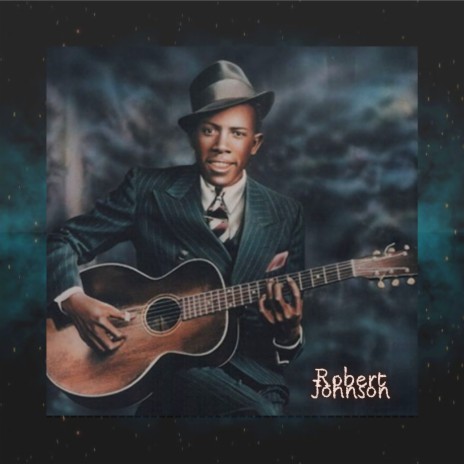
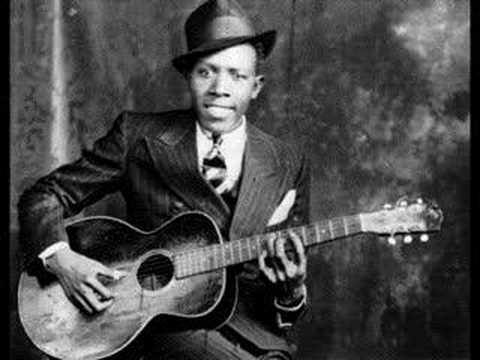
This story song is close to Robert Johnson‘s story of selling his soul to the devil to be able to play like he did. It’s a song based on the Faust story. I always enjoyed stories about selling your soul for an item or an ability. In movies also…like The Devil and Daniel Webster. If you are wondering what the Faust story is…here is a brief definition I found: a German necromancer or astrologer who sells his soul to the devil in exchange for knowledge and power.

Also, I must add…Sacred harp music is a religious folk music named for Benjamin Franklin White’s The Sacred Harp (1844)  using four-shape shape note notation… Its old-time spirituals are sung a cappella… the “sacred harp” is the human voice singing hymns to God.

Robbie seemed to be going for an Appalachian sound in this song and succeeded. He also made it sound biblical against the backdrop of the American South long ago.

Robbie used the words ‘sacred harp’ but this harp is a physical one. What kind of harp is it? To blues players, it’s a mouth harp or harmonica. Could it be a harp as the kind angels play? The song’s vocals are shared between Levon Helm and Richard Manuel. Manuel sings the part of “Daniel” in this song and Levon is the narrator of the story.

The end of the song is chilling. He played out his heart just the time to pass
But as he looked to the ground, he noticed no shadow did he cast. The Band never played Daniel and the Sacred Harp live.

Stage Fright peaked at #5 on the Billboard Album Charts, #6 in Canada, and #15 in the UK in 1970. The album has some of my favorite songs by the Band on it. The Shape I’m In, Stage Fright, The W.S. Walcott Medicine Show, and this one.

Robbie Robertson: I was so obsessed that I was stealing everything in sight. From Fred Carter, Roy Buchanan, the Howlin’ Wolf records. I came a long way in a short time, and people used to kid me, saying, “What is it with this guy? Did he sell his soul?”

Robbie Robertson: Roy Buchanan was only three or four years older than me, but he’d been around quite a bit for his age. He told me a lot of stories, crazy stories about how he was half-wolf, half man. They were like the stories you heard about Robert Johnson selling his soul to the devil. We know these are just silly stories, but at the same time they’re fascinating American mythology. Like we’d be sitting in a room playing together and I’d ask Buchanan how he’d figured out some lick and he’d say, “Well, I can’t really tell you,” clearly implying that he, too, had made some sort of pact. Years later, it became obvious he was playing a game with me.

An alternate take…

Daniel And The Sacred Harp

Daniel, Daniel and the sacred harp
Dancing through the clover
Daniel, Daniel would you mind
If I look it over

I heard of this famous harp years ago back in my hometown
But I sure never thought old Daniel be the one to come and bring it around
Tell me Daniel how the harp came into your possession
Are you one of the chosen few who will march in the procession?
And Daniel said

The sacred harp was handed down, from father unto son
And me not being related, I could never be the one
So I saved up all my silver and took it to a man
Who said he could deliver the harp, straight into my hand

Three years I waited patiently
‘Till he returned with the harp from the sea of Galilee
He said there is one more thing I must ask
But not of personal greed
But I wouldn’t listen I just grabbed the harp
And said take what you may need

Now Daniel looked quite satisfied, and the harp it seemed to glow
But the price that Daniel had really paid, he did not even know
Back to his brother he took his troubled mind
And he said dear brother I’m in a bind
But the brother would not hear his tale
He said Old Daniel’s gonna land in jail
So to his father Daniel did run
And he said oh father what have I done
His father said son you’ve given in, you know you won your harp
But you lost in sin.

Then Daniel took the harp and went high on the hill
And he blew across the meadow like a whippoorwill
He played out his heart just the time to pass
But as he looked to the ground, he noticed no shadow did he cast
Robert Johnson – Hellhound On My Trail

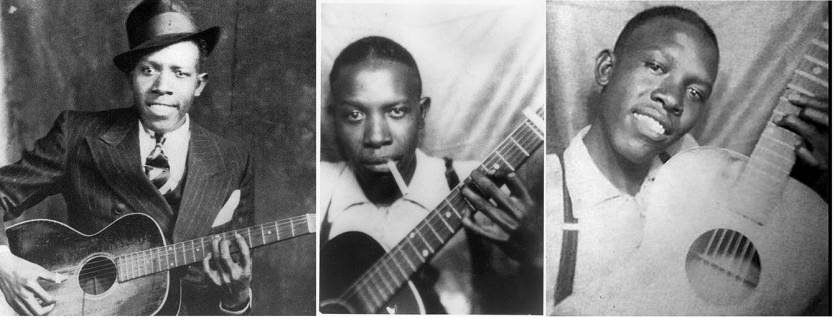
When I hear Robert Johnson…I think of all the myths built around him. Not all are myths though…to hear his guitar on those songs is incredible. He was a man ahead of his time. He is so mysterious…we still only know so much about him. If one song captures the mystery of this legendary bluesman, it is this song… a haunting tale of a man pursued by the devil. Only three confirmed photos of the man are known to exist.

Robert Johnson

Was Robert Johnson the most influential guitarist in the history of blues and rock? That very possibly could be true. It wasn’t until the 80s that I started to read and hear more about him. Reading interviews with Clapton, Jimmy Page, and others…they all owed a huge debt to Johnson.

My introduction to Robert Johnson came from Eric Clapton while playing with Cream. Johnson was a great blues guitarist who supposedly sold his soul to the devil at the crossroads to be able to play the blues. Some of the songs he wrote played into this myth. He only cut 29 songs that he recorded in a two-year period between 1936 and 1937.

Movies such as the 1980s film Crossroads brought Johnson more fans. Many people have searched for Johnson after listening to artists that were influenced by him. His voice will haunt you after you listen to his recordings. They are pure and timeless.

Son House and Willie Brown

The great bluesman Son House talked about when he and Willie Brown played in different juke joints that Johnson would want to play with them. He said Johnson made a racket with the guitar and everyone wanted him to stop playing. Then one day Johnson left town and came back between 6-8 months later and he had mastered the guitar. That boosted the “selling of his soul to the devil” rumors.

Hellhound On My Trail

I got to keep movin’, I’ve got to keep movin’
Blues fallin’ down like hail, blues fallin’ down like hail
Mm mm mm, blues fallin’ down like hail, blues fallin’ down like hail
And the days keeps on worryin’ me of a hellhound on my trail
Hellhound on my trail, hellhound on my trail

If today was Christmas eve, if today was Christmas eve
And tomorrow was Christmas day
If today was Christmas eve and tomorrow was Christmas day
(Aow, wouldn’t we have a time, baby?)
All I would need, my little sweet rider, just
To pass the time away, huh huh, to pass the time away

You sprinkled hot foot powder, mmm
Mmm, around my door, all around my door
You sprinkled hot foot powder, mmm
All around your daddy’s door, hmm hmm hmm
It keep me with ramblin’ mind, rider
Every old place I go, every old place I go

I can tell, the wind is risin’, the leaves tremblin’ on the tree
Tremblin’ on the tree
I can tell, the wind is risin’, leaves tremblin’ on the tree
All I need’s my little sweet woman
And to keep my company, hmm hmm, hey hey
My company

Robert Johnson – Come On In My Kitchen

This is an old Robert Johnson song that I’ve always liked. I learned about this song from a bootleg of Leon Russell, George Harrison, Ringo Starr, and Eric Clapton many years ago. Eric wasn’t in the best of shape when this was recorded during the Bangladesh rehearsals. George takes the solo in this blues song and makes it fit really well. I added this version along with Johnson at the bottom of the post.

Robert Johnson recorded it on November 23, 1936, at the Gunter Hotel in San Antonio, Texas and it was produced by Don Law. Johnson only recorded 29 songs in total with 13 surviving outtakes.  In one hotel room, Johnson performed and in a second adjoining room, the recording equipment was housed.

In 1990 the compilation album The Complete Recordings was released and peaked at #80 in the Billboard Album Charts. It also won a Grammy Award in 1991 for “Best Historical Album. This song has had over 100 known cover versions by other artists.

Robert Johnson was a huge influence on guitarists such as Eric Clapton, Jimi Page, Peter Green, Brian Jones, and many more. He sounded different than his peers at the time which could have contributed to him not being better known in the 1930s. His style was ahead of his time and it took til the 1960s for him to catch on. In 1961, King of the Delta Blues Singers was released with 16 of his songs on the album…a generation of musicians was influenced.

Johnson died in 1938 at the age of 27. Some say Johnson had been flirting with a married woman at a dance, and she gave him a bottle of whiskey poisoned by her husband…he died two days after drinking it. That is not known for sure but we will probably never know.

Eric Clapton – His music is like my oldest friend, always in the back of my head and on the horizon. It’s the finest music I’ve ever heard.  I’ve always trusted its purity. And I always will.’ I don’t know what more you could say….”

Bob Dylan: If I hadn’t heard the Robert Johnson record when I did, there probably would have been hundreds of lines of mine that would have been shut down—that I wouldn’t have felt free enough or upraised enough to write.

Come On In My Kitchen

You better come on in my kitchenWell, it’s goin’ to be rainin’ outdoorsAh, the woman I love, took from my best friendSome joker got lucky, stole her back againYou better come on in my kitchenIt’s goin’ to be rainin’ outdoors

Oh, she’s gone, I know she won’t come backI’ve taken the last nickel out of her nation sackYou better come on in my kitchenIt’s goin’ to be rainin’ outdoorsOh, can’t you hear that wind howl?Oh, can’t you hear that wind would howl?You better come on in my kitchenWell, it’s goin’ to be rainin’ outdoors

When a woman gets in trouble, everybody throws her down

Lookin’ for her good friend, none can be foundYou better come on in my kitchen

Babe, it’s goin’ to be rainin’ outdoorsWintertime’s comin’, it’s gon’ be slowYou can’t make the winter, babe, that’s dry, long, soYou better come on in my kitchen, ’cause it’s goin’ to be rainin’ outdoors

Robert Johnson – Sweet Home Chicago

Was Robert Johnson the most influential guitarist in the history of blues and rock? That very possibly could be true. It wasn’t until the 80s that I started to read and hear more about him. Reading interviews with Clapton, Jimmy Page, and others…they all owed a huge debt to Johnson.

My introduction to Robert Johnson came from Eric Clapton while playing with Cream. Johnson was a great blues guitarist that supposedly sold his soul to the devil at the crossroads to be able to play the blues. Some of the songs he wrote played into this myth. He only cut 29 songs that he recorded in a two-year period between 1936 and 1937.

Movies such as the 1980s film Crossroads brought Johnson many more fans. Many people have searched for Johnson after listening to artists that were influenced by him. His voice will haunt you after you listen to his recordings. His songs are pure and timeless.

With this song…I heard it before I heard Robert Johnson’s version… I knew the Blues Brothers version of it the best. Robert Johnson is listed as the writer but the origins are before that.  Scrapper Blackwell’s “Kokomo Blues” and Kokomo Arnold’s “Old Original Kokomo Blues,” both similar to Johnson’s original right down to their “baby don’t you want to go” choruses, were recorded years before Johnson first entered a studio but Johnson owns it.

Now when it’s played in movies or sold on CDs… Stephen LaVere’s family gets half the royalties and Johnson’s the other half. LaVere entered the picture in 1973, persuading Johnson’s elderly half-sister Carrie Thompson to sign a contract ceding him 50 percent of the profits from Johnson’s music. He went out and marketed Johnson’s music and it paid off in millions for both parties. 

Sweet Home Chicago

Oh, baby, don’t you want to go?
Back to the land of California
To my sweet home Chicago

Oh, baby, don’t you want to go?
Back to the land of California
To my sweet home Chicago

Now one and one is two
Two and two is four
I’m heavy loaded, baby
I’m booked, I gotta go

Crying baby
Honey, don’t you want to go?
Back to the land of California
To my sweet home Chicago

And two and two is four
Four and two is six
You gonna keep monkeyin’ ’round here friend, boy
You’re gonna get you business all in a trick

Crying baby
Honey, don’t you want to go?
Back to the land of California
To my sweet home, Chicago

Now six and two is eight
Eight and two is ten
Friend-boy she trick you one time
She sure gonna do it again

But don’t cry, hey hey!
Baby, don’t you want to go?
Back to the land of California
To my sweet home Chicago

I’m going to California
From there to Des Moines Iowa
Somebody will tell me that you
Need my help someday

Crying, baby
Baby, don’t you want to go?
Back to the land of California
To my sweet home Chicago

Robert Johnson – Crossroad Blues

My introduction to Robert Johnson came from Eric Clapton while playing with Cream. Johnson was a great blues guitarist that supposedly sold his soul to the devil at the crossroads to be able to play the blues. Some of the songs he wrote played into this myth. He only cut 29 songs that he recorded in a two year period of 1936 and 1937.

I’m not a blues expert, nor do I play one on tv, but I love these old blues recordings. Johnson wasn’t the only one but they influenced everything I’ve liked since. They are also historical documents of the time.

Robert Johnson’s slide playing was so complete that he sounded like two guitar players instead of one on some songs. The atmosphere of those recordings is incredible to me and something that you can’t duplicate. Johnson’s influence is huge. Keith Richards, Eric Clapton,  Bob Dylan. Duane Allman, and too many more to list.

Movies such as the 1980’s film Crossroads brought Johnson many more fans. My friend Ronald was one of those people and went out and bought everything he could find of Johnson in the 80s. Many people have searched out Johnson after listening to artists that were influenced by him. His voice will haunt you after you listen to his recordings. His songs are pure and timeless.

Some quotes on Robert Johnson

Keith Richards – Brian Jones had the first album, and that’s where I first heard it. I’d just met Brian, and I went around to his apartment-crash pad, actually, all he had in it was a chair, a record player, and a few records. One of which was Robert Johnson. He put it on, and it was just-you know-astounding stuff. When I first heard it, I said to Brian, “Who’s that?” “Robert Johnson”. I said, “Yeah, but who’s the other guy playing with him?” Because I was hearing two guitars, and it took me a long time to realize he was actually doing it all by himself.
Eric Clapton – His music is like my oldest friend, always in the back of my head and on the horizon. It’s the finest music I’ve ever heard.  I’ve always trusted its purity. And I always will.’ I don’t know what more you could say….”
Robert Cray – He is a perfect example of what anybody should listen to if they want to get an understanding of the blues… and American history.’

Below is Robert Johnson and down below is Cream’s version.

Cross Road Blues

I went down to the crossroad
fell down on my knees
I went down to the crossroad
fell down on my knees
Asked the lord above “Have mercy now
save poor Bob if you please”
Yeeooo, standin at the crossroad
tried to flag a ride
ooo ooo eee
I tried to flag a ride
Didn’t nobody seem to know me babe
everybody pass me by
Standin at the crossroad babe
risin sun goin down
Standin at the crossroad babe
eee eee eee, risin sun goin down
I believe to my soul now,
Poor Bob is sinkin down
You can run, you can run
tell my friend Willie Brown
You can run, you can run
tell my friend Willie Brown
(th)’at I got the croosroad blues this mornin Lord
babe, I’m sinkin down
And I went to the crossroad momma
I looked east and west
I went to the crossroad baby
I looked east and west
Lord, I didn’t have no sweet woman
ooh-well babe, in my distress