The Prisoner – A. B. and C.

October 13, 1967 Season 1 Episode 3

If you want to see where we are…HERE is a list of the episodes.

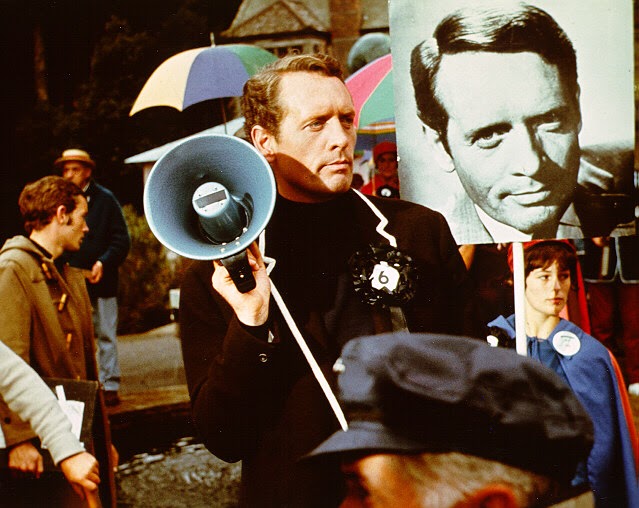
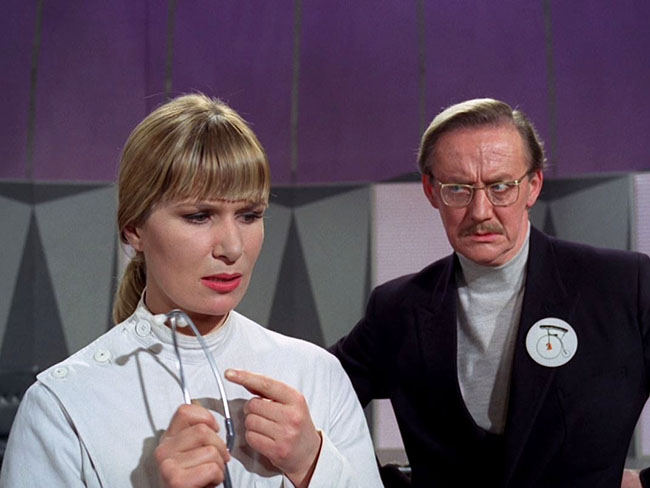
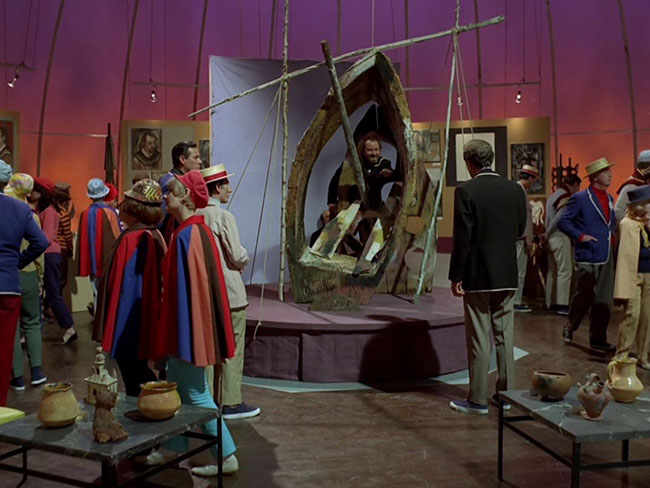
This episode turns the Village into a lab. Number Six is drugged and pulled into a three-part dream program, each scenario designed to crack him open and find out why he resigned. The title is literal, three separate “tests,” and the method is modern for the late 60s, not fists threats, but psychology, repetition, and control of the setting. I love dream sequences in shows, so I’m really happy with this one. 

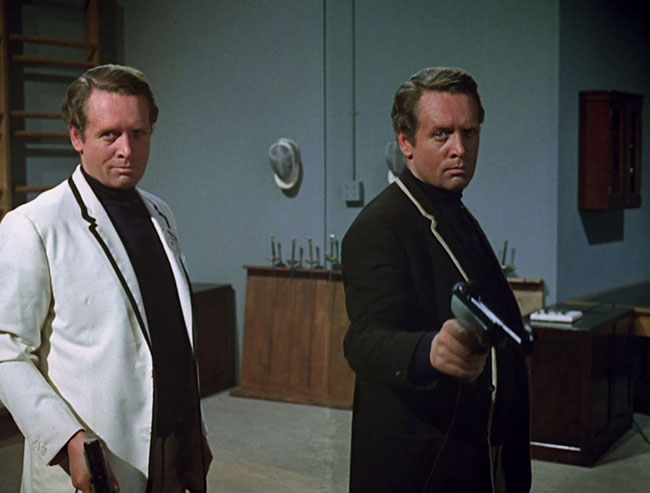
The first sequence drops him into a rough version of his old life, with familiar faces and a push toward panic. The second shifts the tone, calmer on the surface and built to steer him into the same trap from a different angle. The third is the tightest and most direct. Number 2 is trying to guide him to a single answer through suggestion and pressure.  He keeps fighting for any piece of truth he can find. Each segment feels like a different door leading to the same room.

What makes this one stick is how it shows the Village evolving. They are less interested in punishment and more interested in results. Number Two isn’t just managing the place; he’s running experiments and taking notes. He is trying to solve a human being. Number Six, even half-awake and off-balance, still won’t give them the one thing they want. The episode ends without any comfort at all. They can trap you, study you, and even rewrite your reality for an hour.  But they still can’t own what you choose to keep. Another one where Number 6 turns the tables on Number 2. Be Seeing You!

The Prisoner – The Chimes of Big Ben

October 6, 1967 Season 1 Episode 2

If you want to see where we are…HERE is a list of the episodes.

Both sides are becoming identical. An International community, a perfect blueprint for world order….Number 2

The show has such a good premise. What does a super spy do when he/she retires? Most likely, they won’t be able to live their life in peace, but where do they go?

This was the 5th episode filmed, but it’s the second one aired. This explains the reason a few months have passed in time since he arrived. It’s one of my favorite episodes. The sugar cubes scene is very telling. They have it in his file how many cubes he uses in his tea. Just to mess with them, he changes the number he usually takes. Number 2 looks on in disbelief because Number 6 will not join quietly like some others did.

This episode really pushes the series into spy territory, playing with the idea that escape might be possible. Number Six encounters another prisoner who claims that she has outside contacts and a plan, and for the first time, the Village seems less sealed than it did in Arrival. She insists she knows a way to escape from the Village, and Number 6 builds a raft. After carefully planning their attempt, the two manage to leave the Village and drift out to sea. You think, hmmm, maybe he will break out of there…and he does, but then comes a twist.

The episode borrows the spy checklist… coded messages, double agents, and quiet deals, which suggests a more familiar path forward. You also see in what lengths the village will go to tame Number 6, and it’s out there. It also makes clear that intelligence work itself can be a trap. Trust becomes a liability, and the system Number Six once served is resembling the one now holding him.

It really drives home that escape is not just physical; it is psychological. It reinforces the idea that resistance is expected, managed, and often used against those who attempt it. It’s a great episode with who I think made the best Number 2, Leo McKern. He is one of the few who will return at the end. Be Seeing You!

The Prisoner -Arrival

September 29, 1967  Season 1 Episode 1

If you want to see where we are…HERE is a list of the episodes.

I have covered The Twilight Zone, Star Trek, and Kolchak: The Night Stalker episode by episode, and I think The Prisoner will fit in perfectly. This will be my first British show episode by episode, although I’ve made posts on Fawlty Towers and Are You Being Served. I hope you will enjoy these.

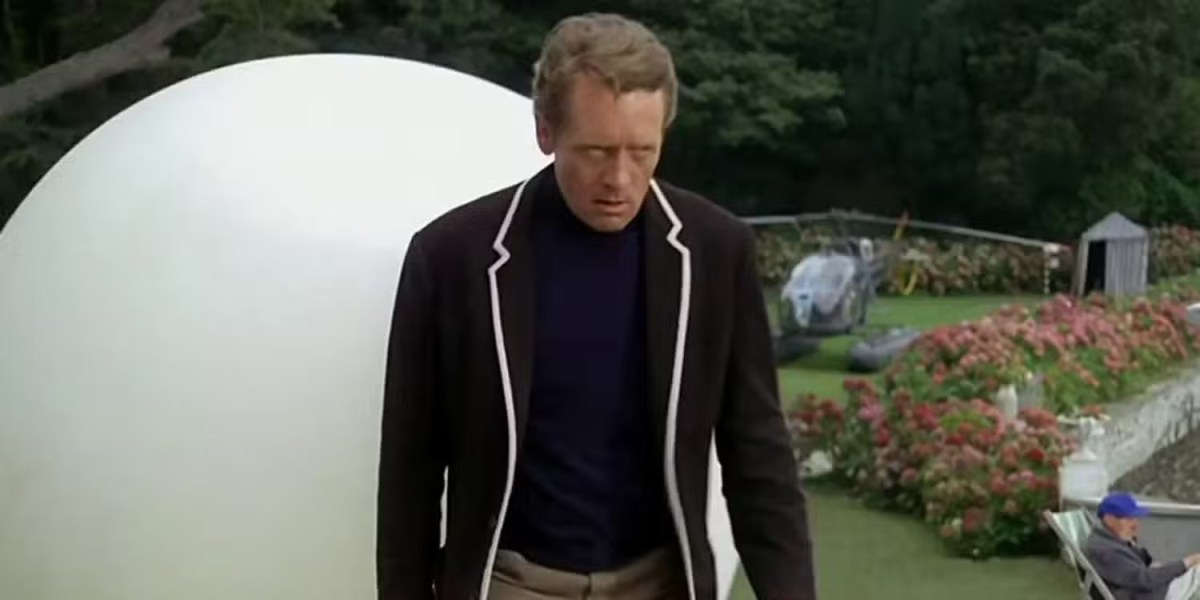
What an opening! You resign from your workplace, and you are abducted by someone or some group and wake up in a pastel-looking village where individuality is a no-go. You are assigned a number, and that is now your name. There are so many symbolic images, and our Number 6 refuses to give in. Also, who would think a white weather balloon-looking device (Rover) could be so menacing?

This episode opens The Prisoner by throwing the viewer, like its hero, straight into disorientation. A government agent abruptly resigns, is abducted, and wakes up in the Village. It’s a bright seaside resort that feels pleasant until it doesn’t. Patrick McGoohan establishes the conflict immediately: individuality versus control and bureaucracy. The episode uses visuals and silence as much as dialogue, which pulls you in. As soon as he awakes from an unfamiliar pillow, the show is on.

The Village itself becomes the real star. Smiling residents, surveillance, and cheery announcements clash with the unspoken threat behind them. Authority is masked as friendliness, and rules are vague but absolute and must be followed. Trying to escape is treated as both foolish and dangerous. The balloon-like Rover makes its first appearance here, not explained, just accepted as the force it is. You will see it in action, and we are not sure why it attacked a Villager, and we are not told why. It reinforces the show’s refusal to reassure the audience that everything will be all right. Names are not used here; only numbers are used. Our spy is now Number 6. The Village is totally internal; no outside is mentioned or displayed. Any map is just of the Village, nothing of the world.

He meets a person who is the so-called leader…today. That would be Number 2. A different Number 2 every episode, with a few exceptions. They want to know why number 6 resigned. That is when our guy Number says I will not make any deals. I’ve resigned. I will not be pushed, filed, stamped, indexed, briefed, debriefed, or numbered. My life is my own. Number 6 comes off as rude and impatient, but it makes sense. He is there against his will and doesn’t know who to trust. Throughout the series, he does find a few he does trust at the moment, at least partway.

By the end, this introductory episode has done its job. It defines the tone and the mystery. It also doesn’t resolve anything. Questions about identity, obedience, and yes, freedom are raised but not answered. That unease is the point and a big reason I kept on watching. As a first episode, it is bold and strange. You think everything will be explained, but it won’t. Beware of Rover!

In this episode, Number 6 is finding out the lay of the land, and the Village is getting to know him. He is looking to get out and give it a couple of shots. He does meet someone he knows, a spy, and he meets a lady with a chance to escape.

And so the trip to the bizarre begins, Be Seeing You!

The Prisoner

“I will not make any deals. I’ve resigned. I will not be pushed, filed, stamped, indexed, briefed, debriefed, or numbered. My life is my own.”… Number 6

“I must have individuality in everything I do. I question everything. I don’t accept anything on face value. I argue because by arguing, something good often comes from the results.”… Patrick McGoohan

This introductory post is quite long, but I’ll keep the episodes within a 1-2 minute read, I promise, because I have most of them written. There is SO much to say about this show. I started this post in January and have been adding to it ever since. Next Friday we start the episodes with Episode 1…Arrival.

Original, experimental, very surreal, still totally relevant today, ahead of its time, who is number 1? Where or what is The Village?  Struggles with individualism, conformity, authority, and the nature of freedom, set within a mysterious, idyllic village. Surrealism? Yes, this one has it in spades! Salvador Dali could have directed some of the episodes. Also…the color of these shows! They beat modern movie colors with a stick. The brightness and distinct color just pop off the screen, a selling point for color TV back then, creating a surreal, pop-art feel. McGoohan even banned the word “television” on the set. He wanted everyone to have a cinematic view.

The word “allegory” comes up frequently in descriptions of this series. People are still trying to figure out what it means, and we all have our interpretations. Patrick McGoohan was a very successful actor, but he was questioned the rest of his life about this 17-episode series. It was a British show in 1967-1968. In Canada and the US, college classes have been taught about this show to try to get the meaning out of it.

I’m going to post this series episode by episode. It’s only 17 episodes this time, so it won’t take long. I wanted another sci-fi show, and this one fits that bill without a hundred episodes. This is one of the most interesting television shows I’ve ever seen, bar none. It’s like James Bond meets The Twilight Zone…heavy on the Twilight Zone. They only had 17 episodes, but it was enough to go on a trip into the bizarre. I watched this a decade ago, and I just watched it again in the past two weeks. Number 6 is my hero in his fight against a forced society.

A British spy resigns, and he goes home. At home, you see sleeping gas coming through the keyhole, and after that, he wakes up in a new home. He wakes up in a place called “The Village” with no name, a small microcosm of a perfect community where people are issued numbers instead of using names. Escape is made nearly impossible, enforced by a gang of thugs and a bizarre white sphere (called Rover) that smotheres people to death or brings them back to the village after an escape attempt. Cordless phones, constant surveillance, manipulative organisations, people reduced to numbers, and so on. Rover seemed laughable at the time with the effects, but now drones perform exactly that function, so it was a question of the technology not being available when the show was made.

A map (title is Your Village) says “The Mountains,” “The Sea,” and other generic names. Individualism is gone in this place. It’s quite a nightmare. He does not have his name when he is there; he is called Number 6. You never know his real name. The main question the Village leaders want to know is the reason WHY he resigned. He has a lot of secrets in his head, important to both sides. He just will not disclose the reason for his resignation. One reason is that he doesn’t know which side got him. The other reason is that he just didn’t want to because his life is his own.

He doesn’t resist using weapons or gadgets, but with wit and stubbornness. Each episode tests him in a different way: psychological games, manufactured communities, false friendships, and shifting authority figures. The Village looks pleasant, almost cheerful, which makes its constant surveillance more unsettling. The question is never just who is in charge, but why submission is expected at all. They mess with his mind constantly to the point where they bring a double in and convince him he is someone else. But, I’m happy to say, he messes with them as well, like in the episode Hammer Into Anvil. He usually turns the tables on them. He is the only independent thinker in the village, or the only one who admits it.

What separates The Prisoner from standard spy television shows (or other shows, for that matter) is its willingness to abandon logic for an idea. That’s the best way I know of putting it. Some episodes are like satire, others like dreams that do not explain themselves. The rotating cast of Number Twos keeps power unstable, reinforcing the sense that the system matters more than any individual running it. It’s a show that requires your attention, and they counted on that to keep the audience engaged. Number 6 is not a nice guy in this. He doesn’t want to be there, and some of the good citizens were in the know, and some were like Number 6. You cannot trust anyone, and he refuses to conform.

This show was the brainchild of “Danger Man” actor Patrick McGoohan. In The Prisoner, he was also director/co-producer/creator, and his allegorical tale concerned the retirement/imprisonment of a spy who knew too much.

Historians have long argued whether he was retiring his character John Drake from Danger Man, and if this was John Drake character, it’s never said. Patrick denied it, but others say it was probably the character he played before, but wouldn’t mention him because of royalties that would have to be paid tothe creator of Danger Man. It doesn’t really matter if this is John Drake or not; we know him now by Number 6.

Anyone who wants to follow along. ALL the episodes are on YouTube in one place. Be Seeing You!

Patrick McGoohan interview here in 1977

Simpsons Parody

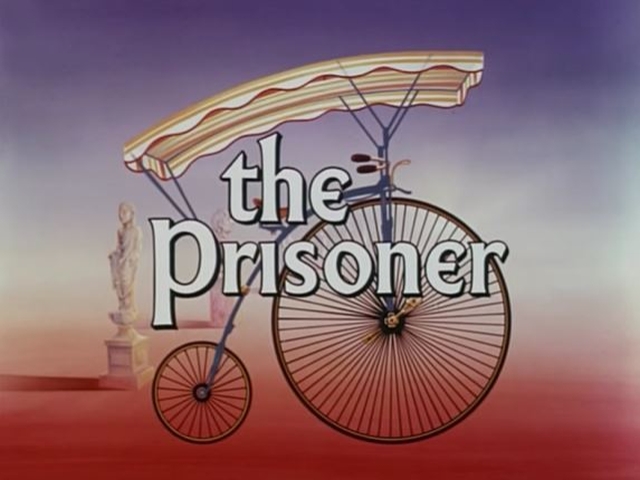
The intro explains the setup for the show. I really want that car!