

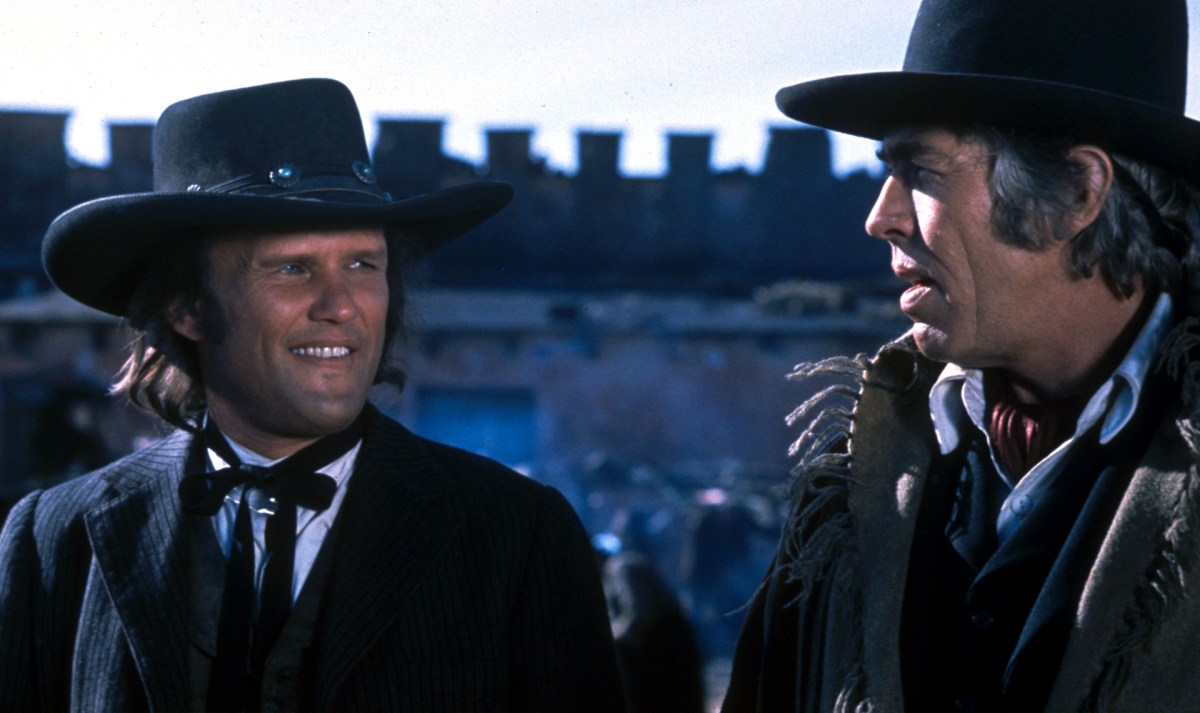
I saw this movie for the first time in the early nineties in my apartment, which I shared with a cousin. I watched it initially for Bob Dylan, but ended up loving the movie. This movie, above all else, treats silence better than any other movie I’ve seen. The characters get to breathe. No one is in a hurry, but when action happens, it makes it all the more dramatic.
In Pat Garrett and Billy the Kid, director Sam Peckinpah trades the mythic grandeur of the Old West for something slower, lonelier, and far more tragic. This is a Western all about finality, a farewell to freedom, friendship, and the open frontier. Pechinpah created a great movie out of this.
Set in 1881 New Mexico, the film dramatizes the final days of William Bonney, better known as Billy the Kid (played by Kris Kristofferson) as he’s hunted down by his former friend turned lawman, Pat Garrett (James Coburn). There’s no rush to the inevitable confrontation. Instead, the film moves slowly with purpose, soaking in the dusty landscapes, long silences, and uneasy glances between men who understand their roles in their vanishing world.
Coburn delivers a wonderful performance as Garrett, a man who’s made peace with compromise but not with himself. Kristofferson, younger and looser, plays Billy with charm and recklessness. Their scenes together are understated but filled with unspoken history and mutual resignation. It stands as one of the most introspective and mournful Westerns ever made. It’s not a shoot-’em-up spectacle; it’s a meditation on regret, inevitability, and the bitter cost of survival.
The studio clashed with Peckinpah and released a terrible version in 1973 that was a pale version of Peckinpah’s vision. It was jagged, choppy, and stripped of its emotional weight. Critics panned it. Audiences stayed away. Like many films ahead of their time, Pat Garrett and Billy the Kid didn’t stay buried. A bootlegged “preview print” started circulating in the 80s—rougher but far more coherent. It showed what Peckinpah had been aiming for: a slower, sadder, more deliberate tone piece about friendship, death, and the slow extinction of the outlaw soul. Critics and fans alike loved his original version.
In 2005, a “Special Edition” came out, restoring much of what had been lost (though not fully satisfying the purists). Still, it was enough to elevate the film from cult obscurity to a rightful classic. And make no mistake…it IS a classic!
I never thought about cinematography until recently, but John Coquillon did a hell of a job on this movie. It looks beautiful, and the landscapes jump out at you as you watch.
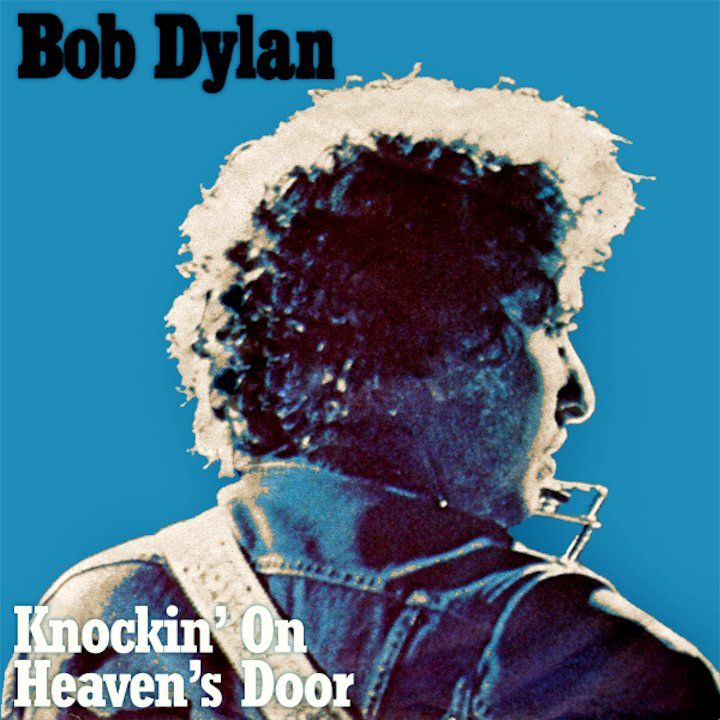
Now let’s talk about the soundtrack by Bob Dylan. Bob Dylan was in the movie and did a good job, but it’s the soundtrack that will be remembered. This isn’t your typical Dylan record. It’s mostly instrumental, often minimalist, and was stitched together for the film. But what you get here is an eerie, atmospheric tone throughout the entire album. Let’s get this out of the way: Knockin’ on Heaven’s Door is the anchor, the standout, the one track that broke free and carved a permanent space in classic rock airwaves. It’s a song so simple it feels like it always existed. Unfortunately, it overshadows the other songs, which I like a lot. Billy 1, Turkey Chase, Bunkhouse Theme, and the rest. It’s an album I like to put on and just soak it in and relax.
…
 PowerPop... An Eclectic Collection of Pop Culture