

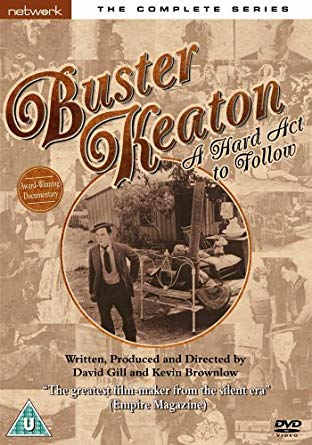
Buster Keaton is one of my all-time favorite comedians, actors, and directors. He is also one of the best film makers I’ve seen.
There are documentaries, and then there are love letters dressed up as documentaries. Buster Keaton: A Hard Act to Follow (1987) is very much the latter. Narrated and co-written by Keaton devotee David McGillivray and directed by Kevin Brownlow and David Gill (the same pair who did wonders with their Chaplin and Hollywood series), this BBC-produced trilogy doesn’t just trace the arc of a comedy legend it makes a strong case for Keaton being one of the most inventive minds in any medium, silent or not.
It is one of the best documentaries I have ever seen, not just about Buster but anyone. This documentary is interesting for fans and non-fans alike. I have watched it multiple times and showed it to friends to didn’t have much interest in silent movies and they ended up liking it.
Brownlow also worked on “Hollywood” (a 13-part history of the silent era that I reviewed), The Unknown Chaplin, and Harold Lloyd: The Third Genius. This is in my top 5 of documentaries to recommend to people. I just wish it were easier to get when I wanted to see it. I had to order it from Europe to get a DVD copy of this. You can watch all of them now on YouTube, though...below!
Buster Keaton was not only a great comedian but also a great filmmaker. Some of his special effects in Sherlock Jr and other movies stand up today and that was made in 1924. I always thought that while Chaplin had the best comedy character…Keaton was the better filmmaker.
What sets A Hard Act to Follow apart is its rhythm. It’s tightly edited, gently scored, and clearly built by people who don’t just admire Buster Keaton, they get him. And more than that, they want you to get him, too. For my money, this is the best documentary ever made about a silent-era performer. It respects the intelligence of its subject and the curiosity of its audience. If you already love Keaton, this is the companion piece you didn’t know you needed. If you’re new to him, this might be your gateway to him.
Part One (From Vaudeville to Movies):
Covers his vaudeville childhood with his parents. Because of child labor laws, his parents would claim that Buster was an adult actor. They would dress Buster to look old. This part goes through Vaudeville and up until Buster meets Roscoe Arbuckle and starts his career in movies.

Part Two (Star Without a Studio):
Part Two sums up his great silent movies. He did not work in the studio system…Buster had free rein with his movies in most of the 1920s, working for Independent film executive Joe Schenck. Part two shows some of the best scenes from his silent movies until he had to join a studio (MGM) that along with his drinking, helped ruin his career.
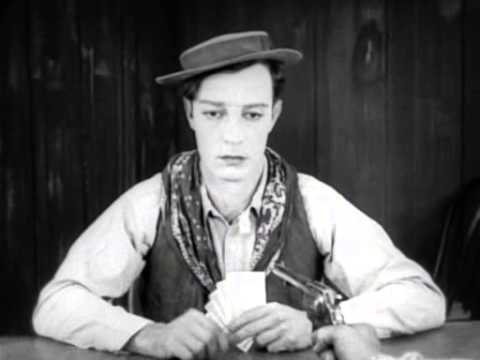
Part Three (Genius Recognized):
This part is the downfall and the comeback. Buster worked through the early thirties in some successful talkies, but by the end of the 30s, he was working as a gag writer. He was soon largely forgotten until he appeared in “Sunset Boulevard”, commercials, and TV. Buster was in a movie with Chaplin called Limelight in 1952. He began to be praised by historians, critics, and fans alike before he passed away in 1966.
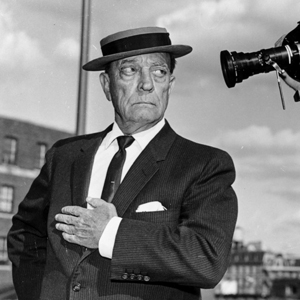
There is a new Buster documentary out called ‘The Great Buster: A Celebration’ by Peter Bogdanovich that I have yet to see. I plan to watch it soon. Either way, this one will be hard to beat.
Below is Buster Keaton: A Hard Act to Follow…the complete series.
 PowerPop... An Eclectic Collection of Pop Culture