

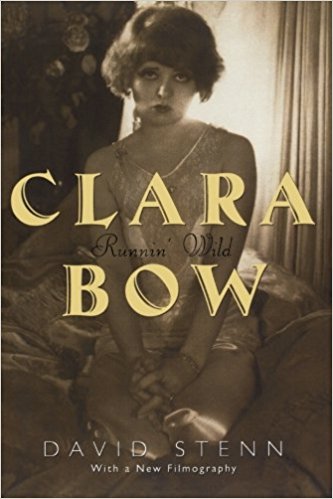
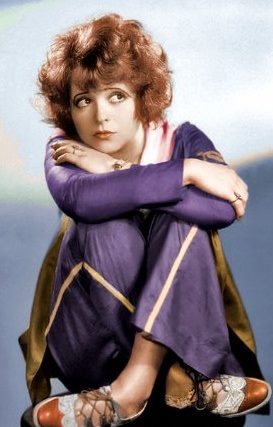
My favorite eras in the 20th century have always been the 1960s, 1970, and the 1920s. I was looking through some books in the early 90s inside a long-forgotten bookstore, and a picture of an actress caught my eye. There was something about Clara Bow that grabbed my attention. I had read about her in a terrible slanderous trashy book called Hollywood Babylon by Kenneth Anger. I was compelled to get this new book just by her stare from the cover. This book was written by David Stennand is called Clara Bow”Runnin’ Wild... I finished it in one night when I went to sleep at 5am. The book impressed me so much that a few years later, I tracked down David’s phone number (again pre internet) and I called Mr. Stenn just to tell him how much I loved the book. He graciously sent me an autographed copy of the book to replace my worn-out (loaned out again and again) copy to my friends.
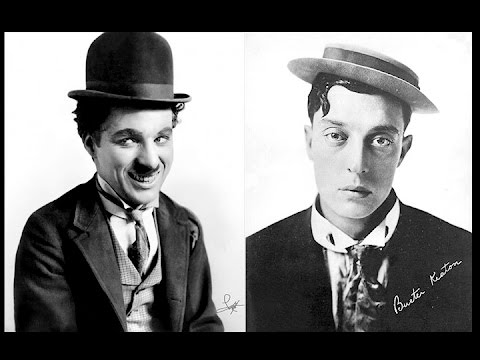
Unlike Anger’s book of sensational garbage, David Stenn had facts about Clara, which have been proven wrong. Reading this book introduced me to the world of Buster Keaton, Charlie Chaplin, Mary Pickford, and Douglas Fairbanks. From there, my interest in silent movies grew. I always thought all silent movies were grainy, unwatchable films where all the actors were on speed. I soon was educated that most of those movies were played on the wrong projector at different speeds, and that is the reason for the sped-up action. The quality of many of those movies from the 20s is better quality than movies made in the 60s-80s when mastered right. Stunts were not faked, and CGI didn’t exist. Everything is real.
Clara had a terrible childhood where her mother was mentally ill and tried to kill her. Her father sexually abused her on top of everything else. Clara could cry on cue when she was an actress. The reason she was able to do this is because of something that happened to her in her childhood. She lived in Brooklyn, and their apartment complex caught on fire. She had a childhood friend named Johnny. Clara was looking for Johnny when the fire was raging and found him. The little boy was on fire, and she tried to put out the fire from his clothes and hair. He ended up dying in her arms. That is what she thought of, and the tears would come.
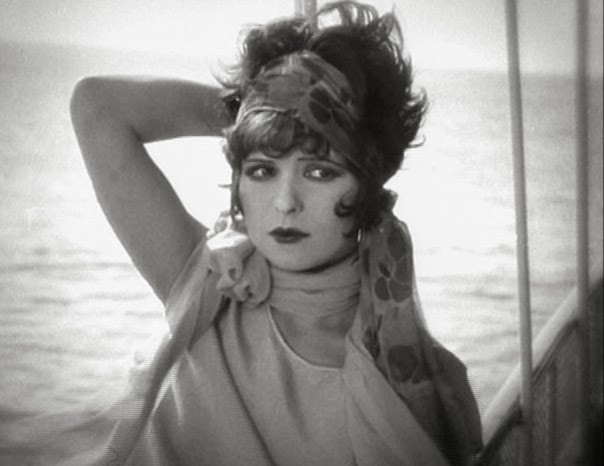
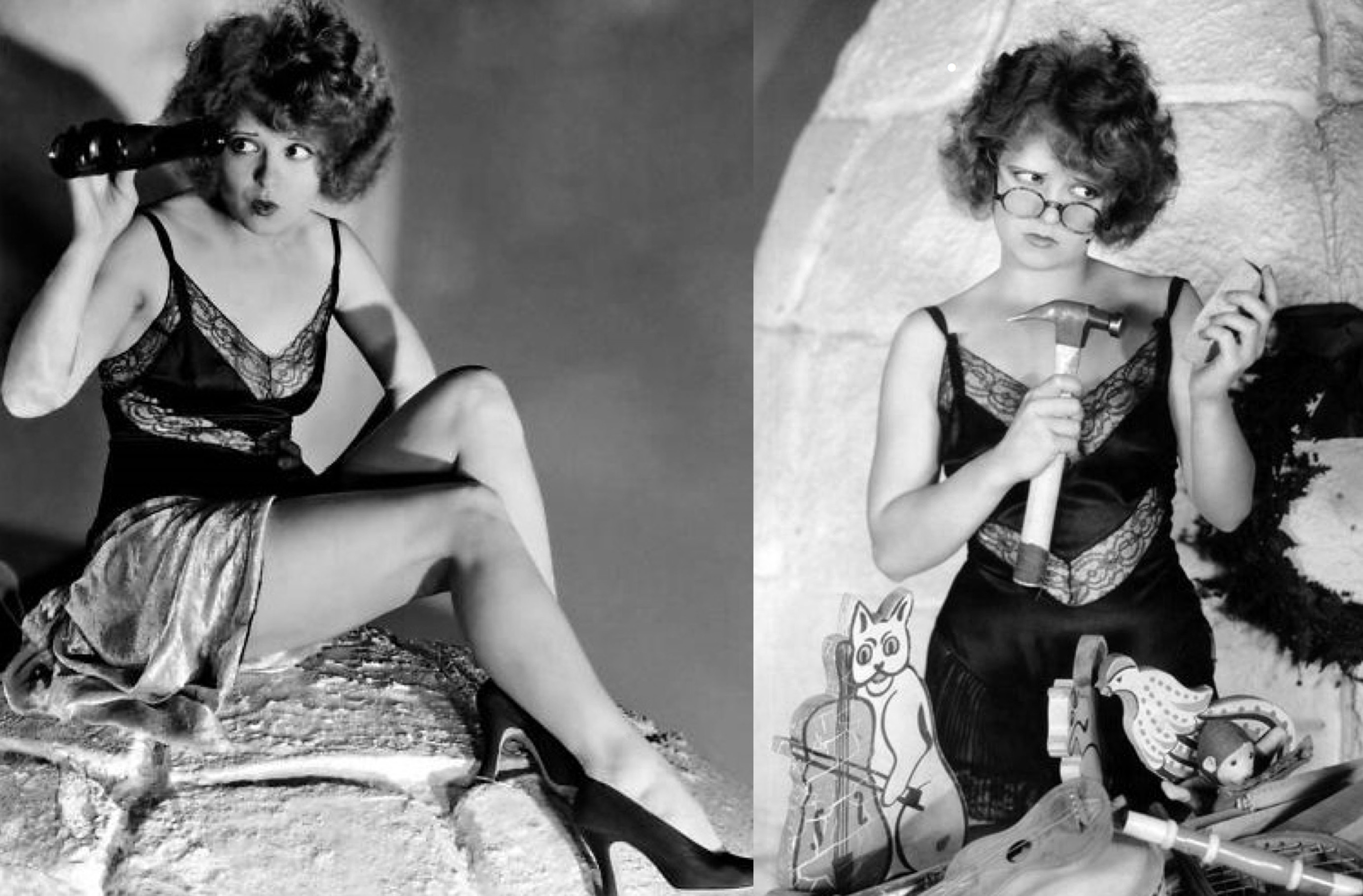
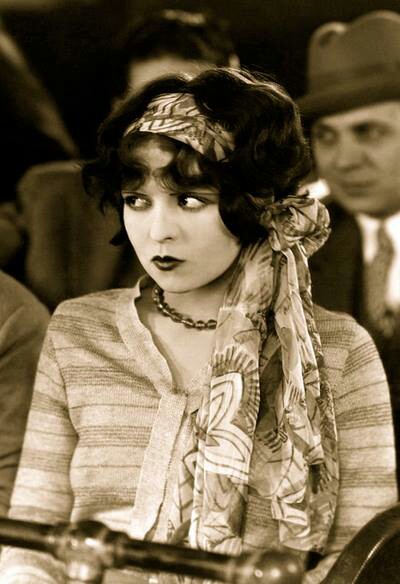
In her movies, she sold the tickets. Paramount built movies off of her name and didn’t always give the best scripts, but she was electric on film. Your eyes will automatically go to her. She could convey more in one look than actresses today can say in 10 minutes. She was never appreciated as she should have been, and that is sad. She was never accepted by her peers and never invited to Hollywood parties because she was straightforward and said what was on her mind. Other actresses thought that was crude and stayed away from her. She was great with fans, but stardom took its toll on her. She ended up marrying a Western actor named Rex Bell and went into seclusion.
She did some “talkies,” and they are enjoyable, but nothing beats her silent movies like IT (no Pennywise) and Wings (the first film to win an Oscar). Call Her Savage was her best talkie film. Check her out when you can… She is worth it. I didn’t know a thing about silent movies until I read Stenn’s book. It’s worth a read if you are a fan or not. Some other stars would not hang out with her because she was a straight talker. If she felt something, she would say it.
Actress Lina Basquette said, “She wasn’t well liked amongst other women in the film colony. Her social presence was taboo, and it was rather silly because God knows Marion Davies and Mary Pickford had plenty to hide. It’s just that they hid it, and Clara didn’t.” Bow knew the truth. “I’m a curiosity in Hollywood,” she said. “I’m a big freak because I’m myself!”
Stenn finally set the record straight with Clara.
 PowerPop... An Eclectic Collection of Pop Culture